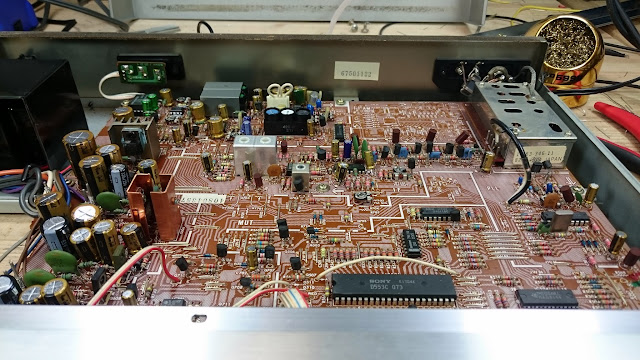
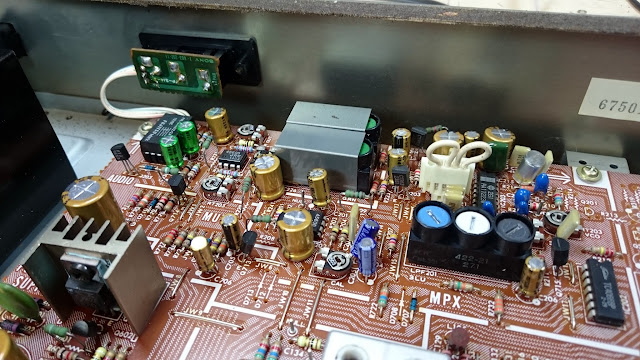
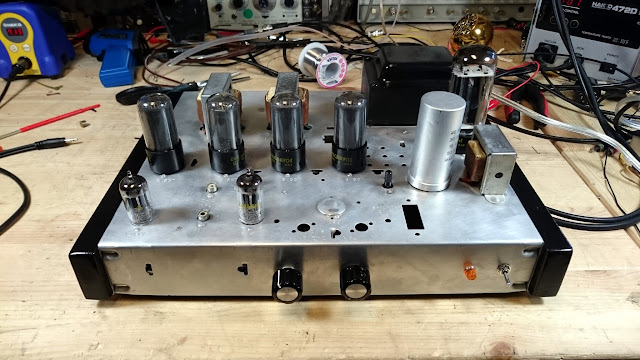
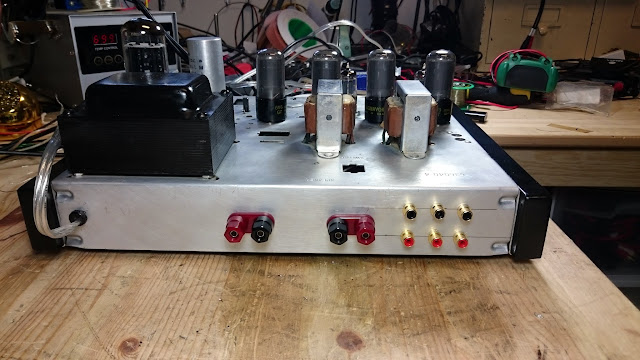
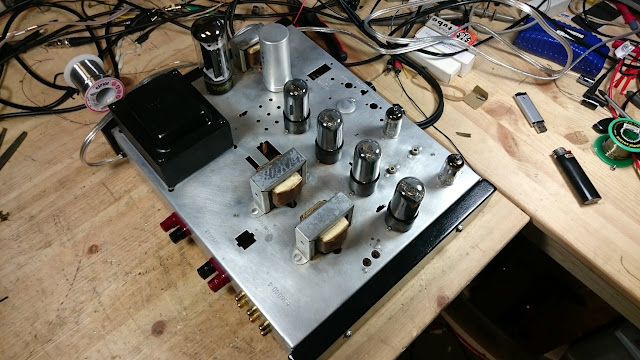
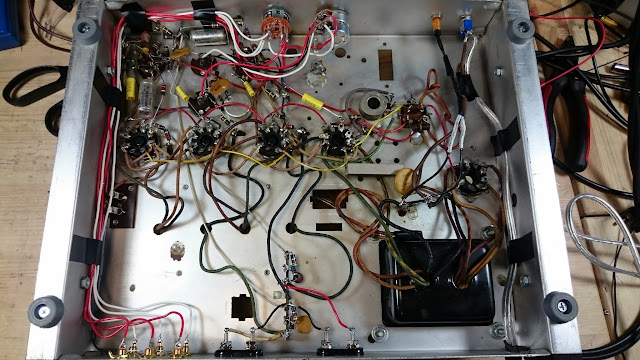
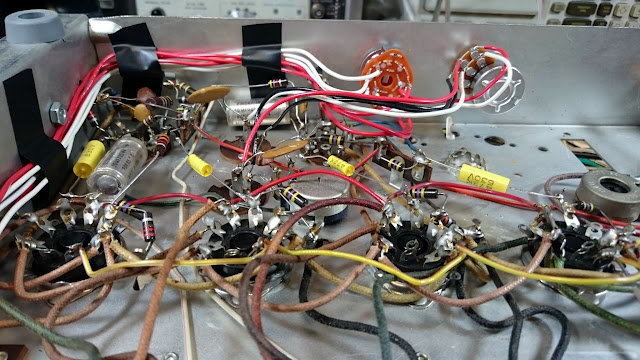
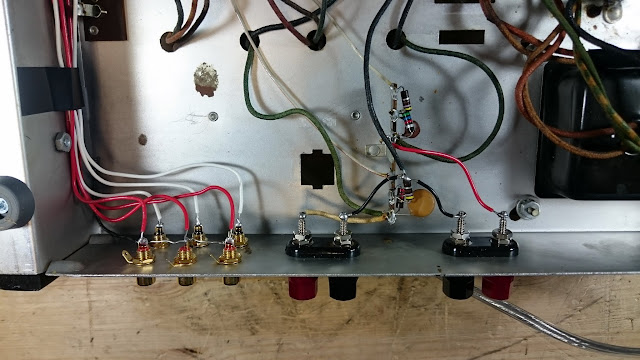
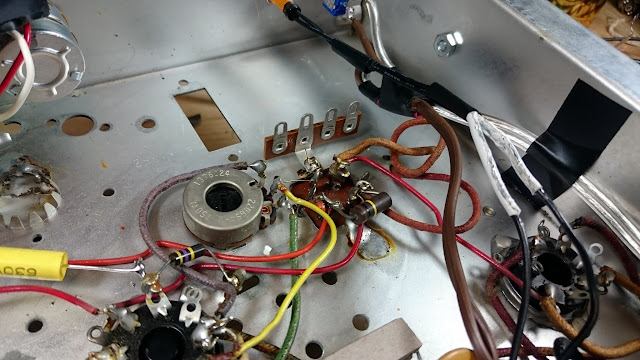
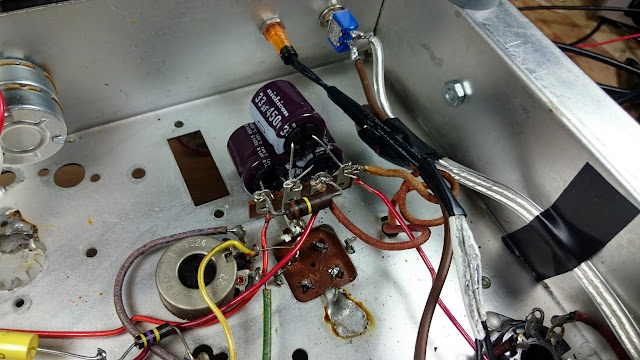
Sony TA-5650 Full Re-Cap and Adjustment

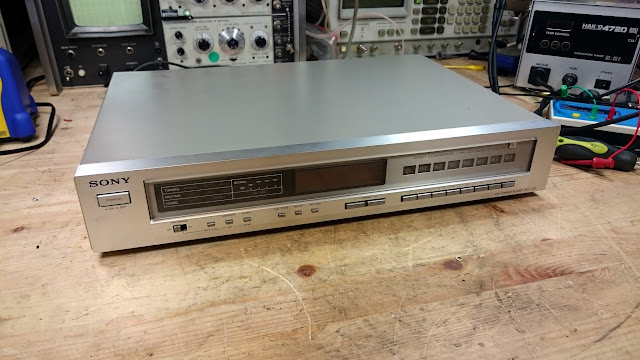
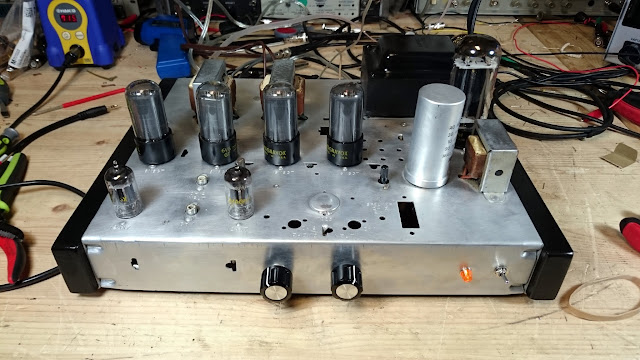
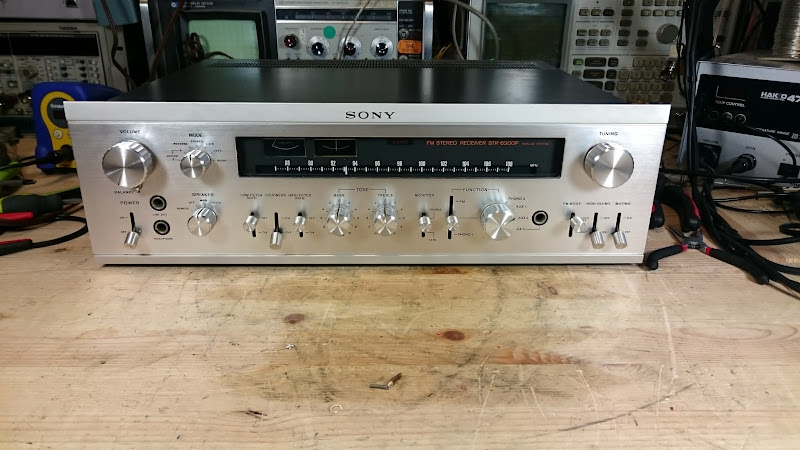
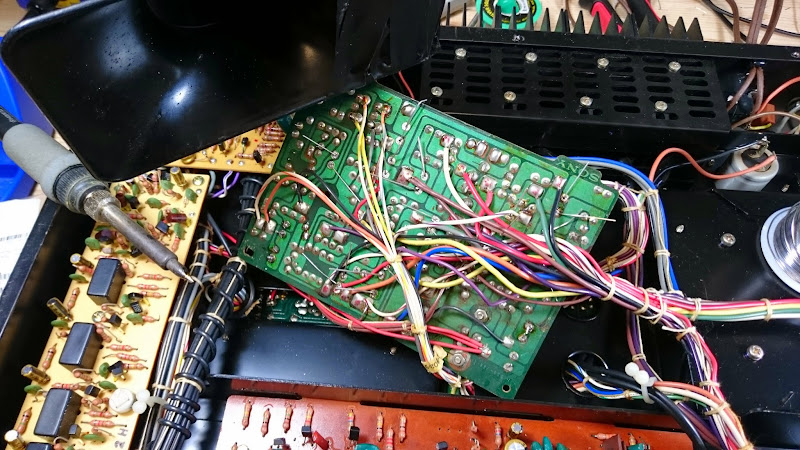
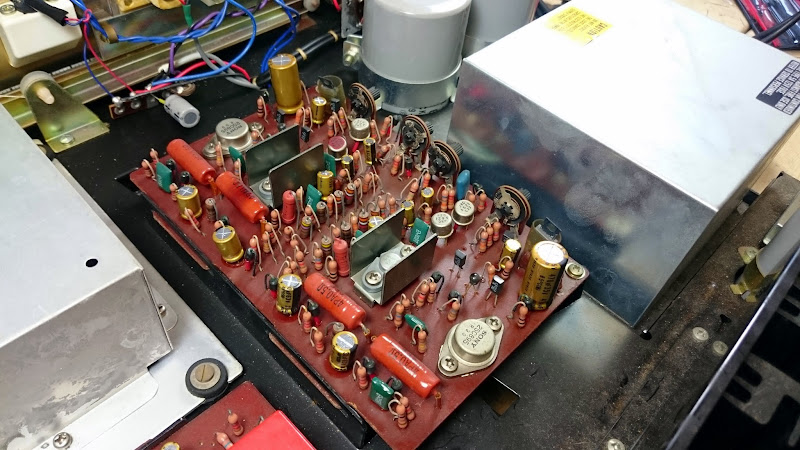
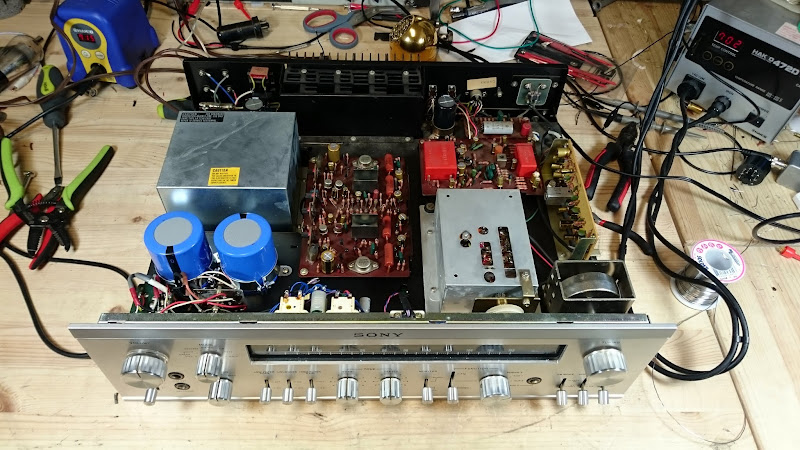
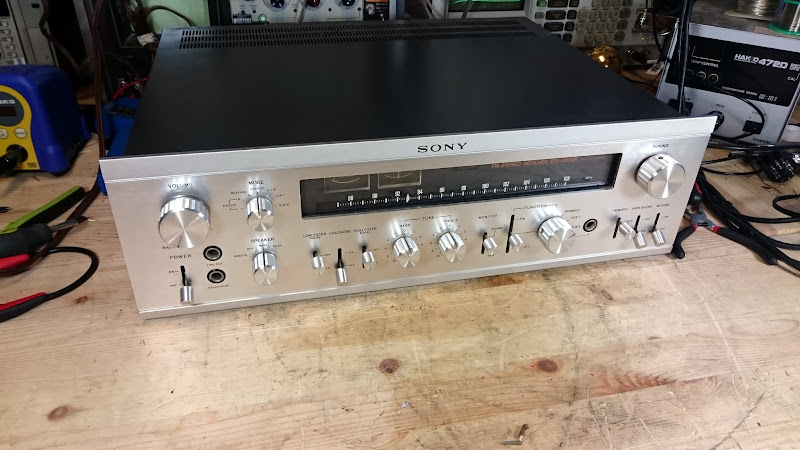
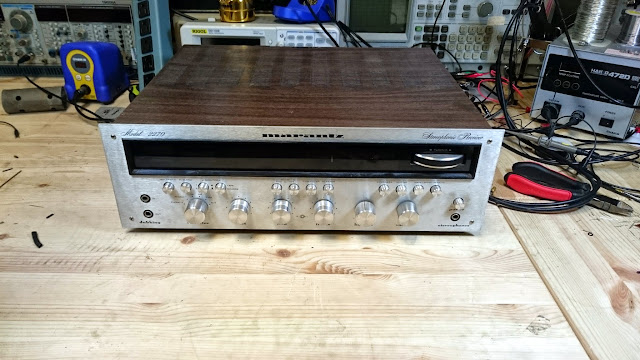
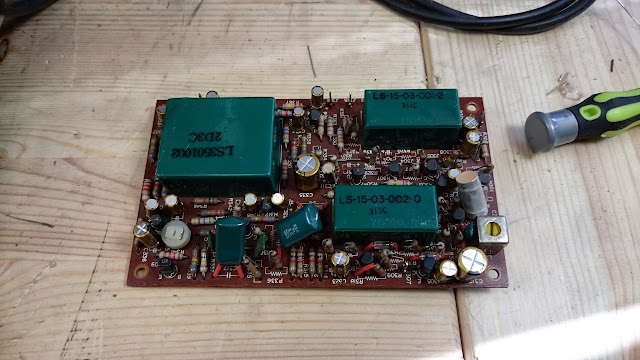
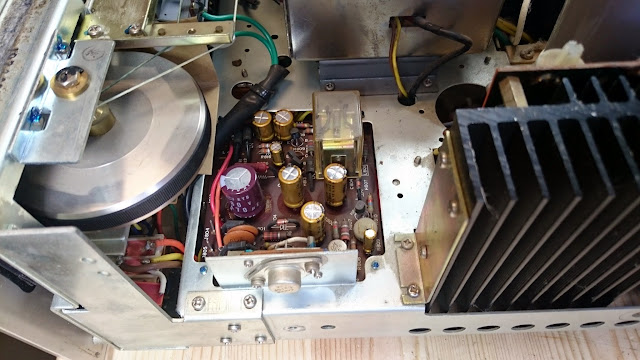
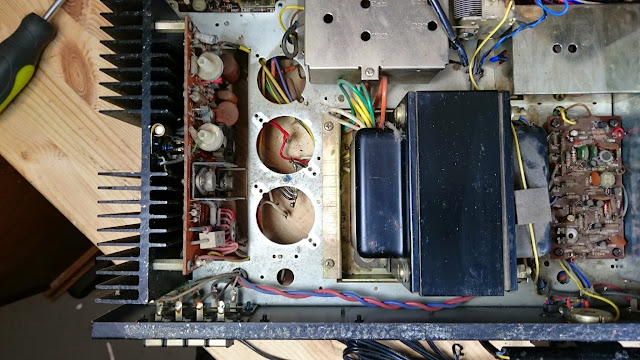
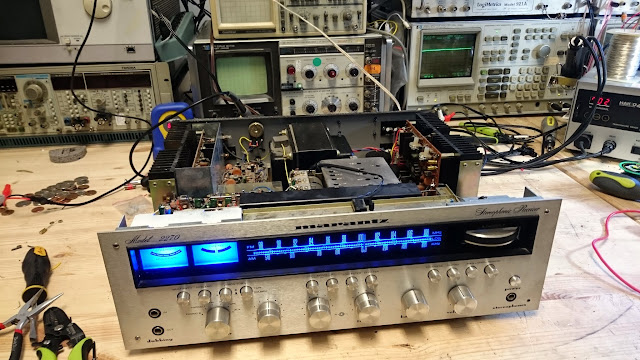
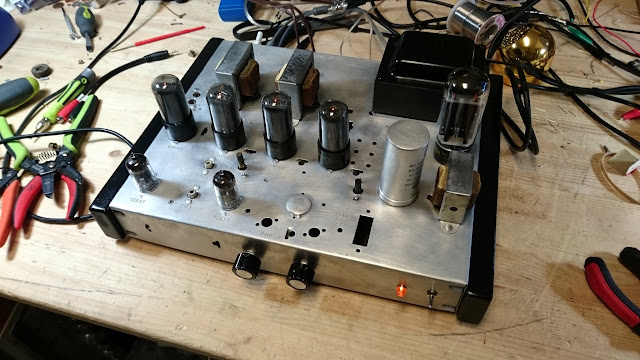
I recently got to work on another of the Sony VFET line of integrated amplifiers, the Sony TA-5650. I’ve had one through the shop previously, and this one came in for the same service. It came in running fine – although not without a little room for improvement in the bass – and the owner wanted it overhauled to make sure it’ll serve trouble-free for many more years.

These Sony VFET amplifiers are very well-regarded, and are quite uncommon. Sony only used VFETs in a small handful of models as they were a very experimental design, and only for one or two model years. They also have a known fault which crops up after a few decades: the varactor diodes used in the bias circuit go bad, removing the output device’s bias and burning them up. The only replacement for new VFETs is another amplifier – so it’s important to make sure that doesn’t happen!

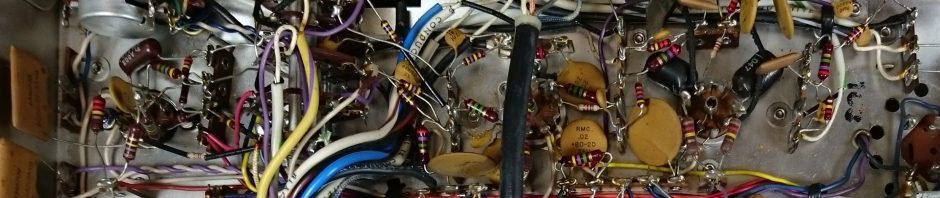
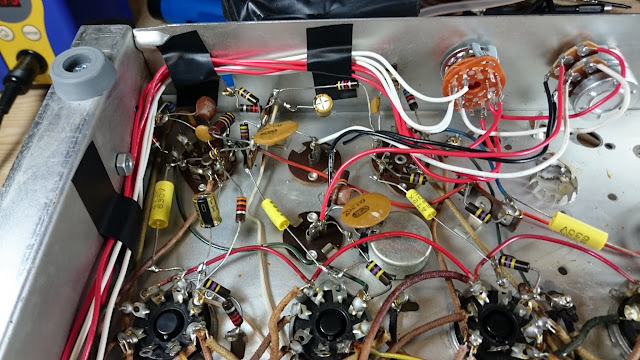
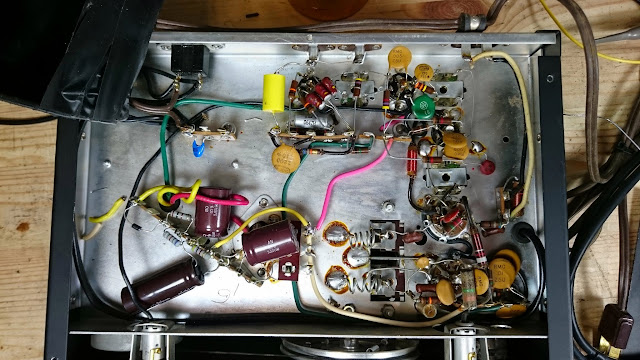
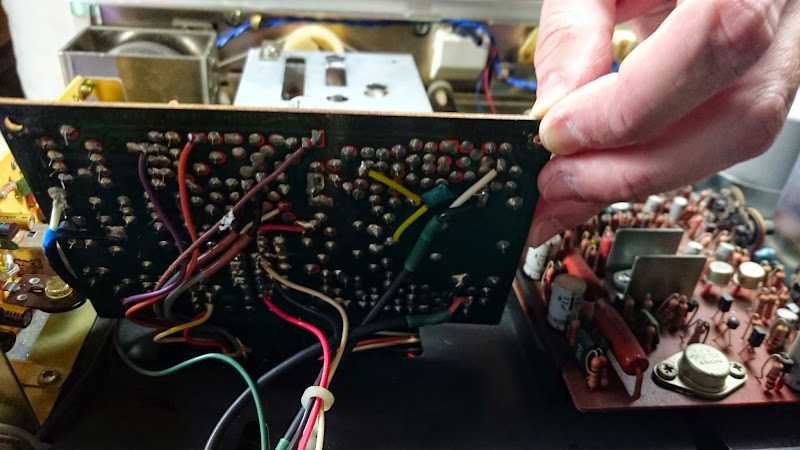
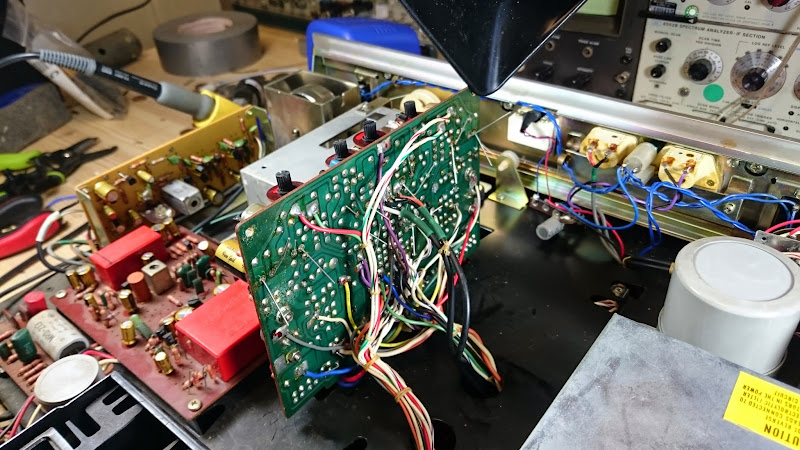
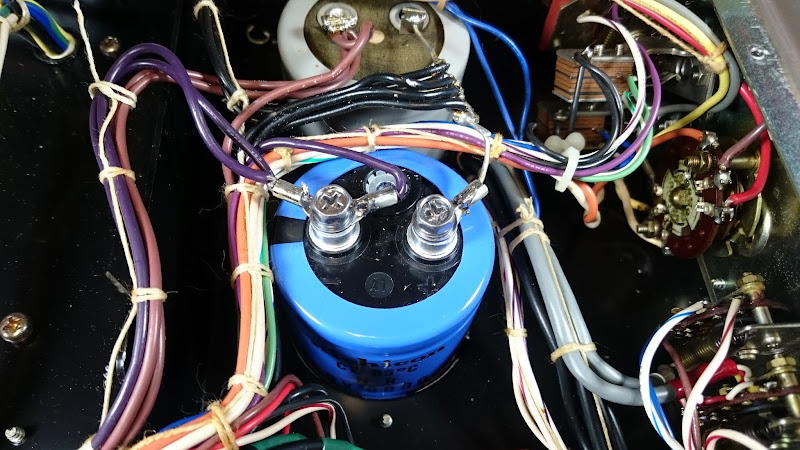
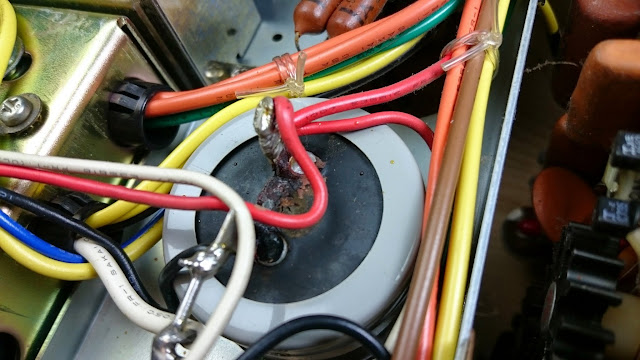
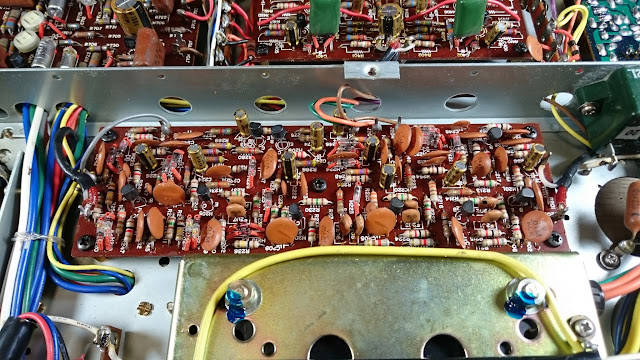
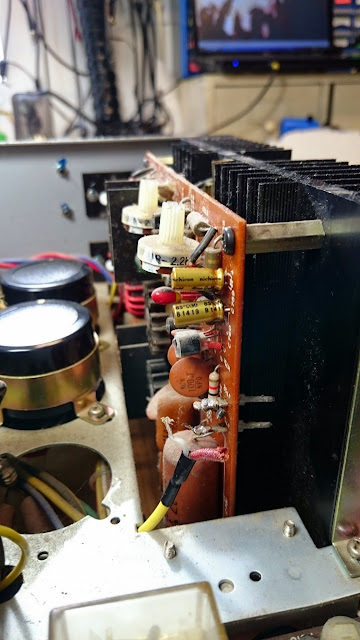
This particular unit was all original – except for a nice surprise! Someone had been in here previously and already replaced the VD-1221 diodes each with a pair of 1N4148s in series!

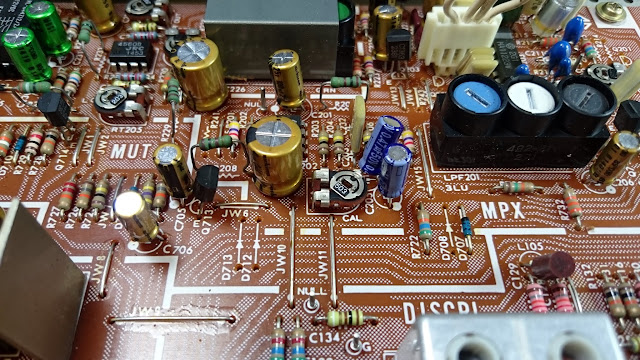
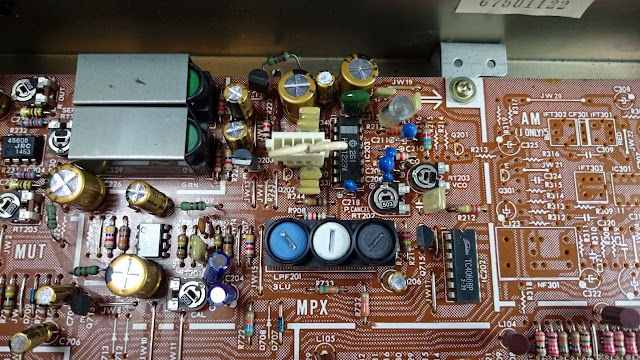
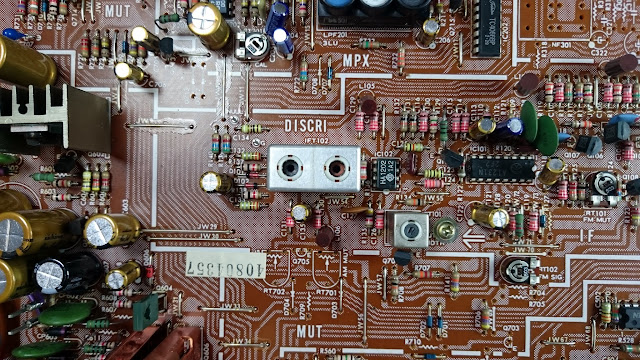
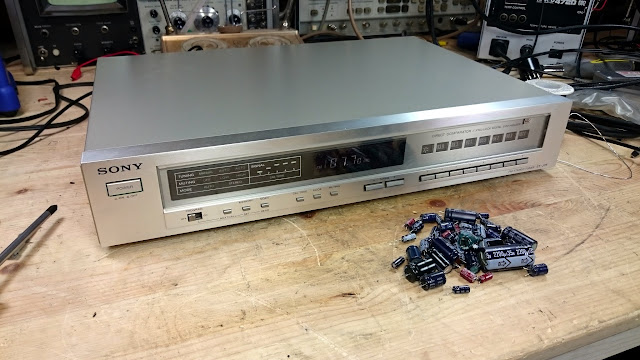
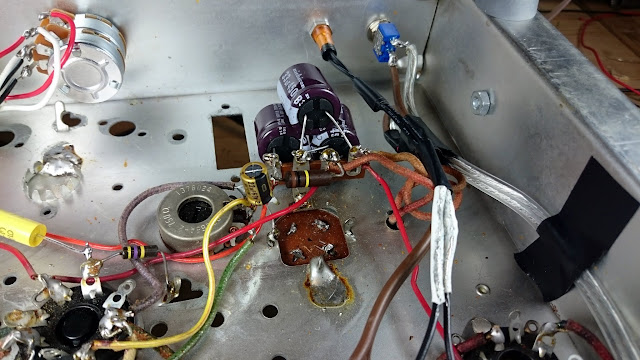
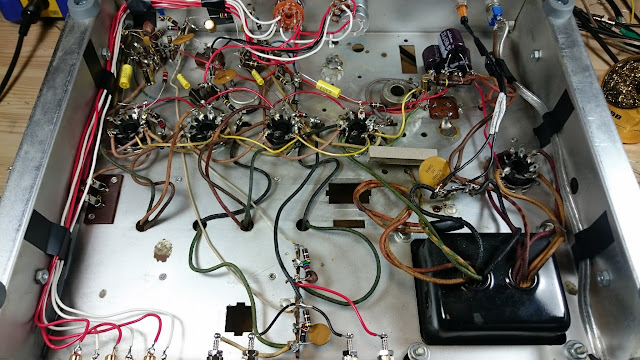
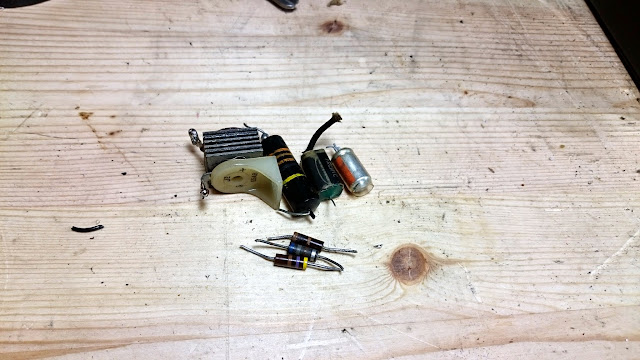
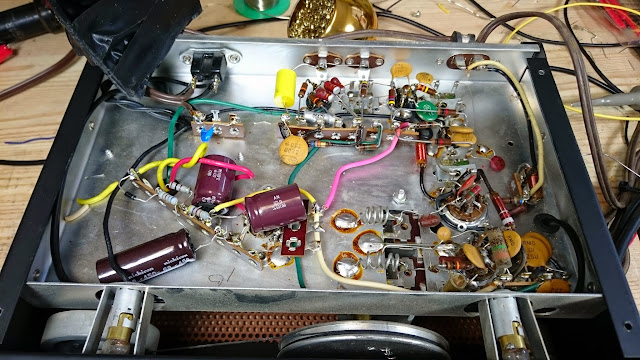
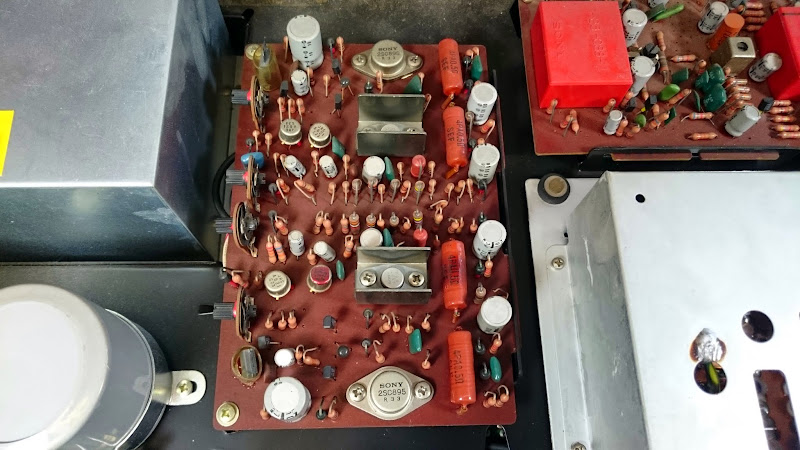
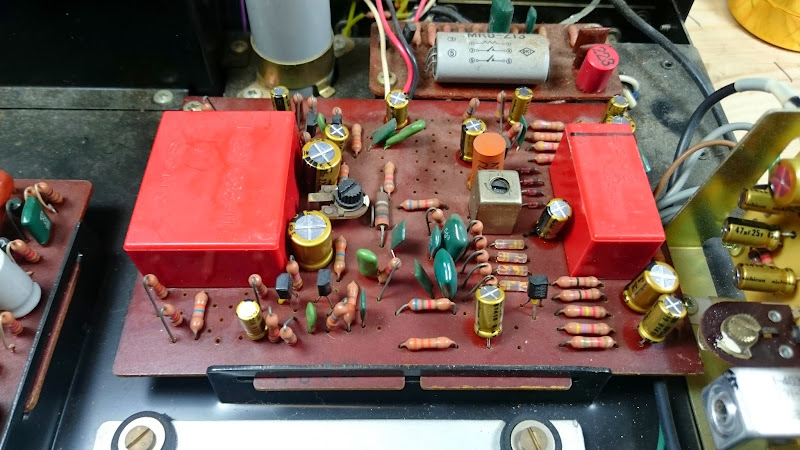
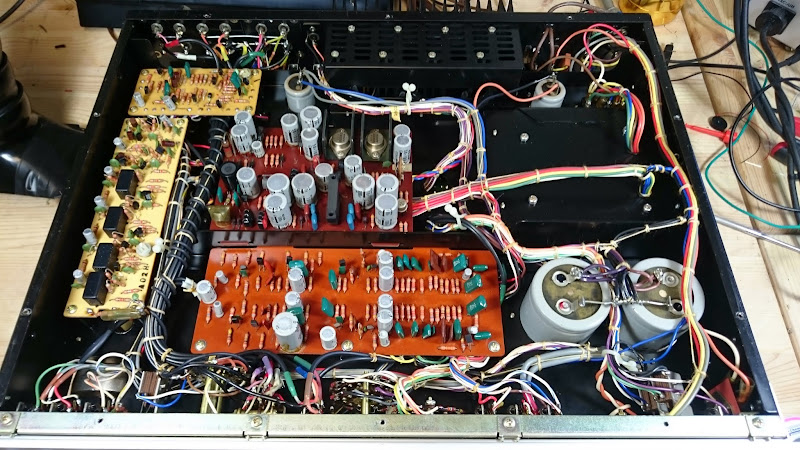
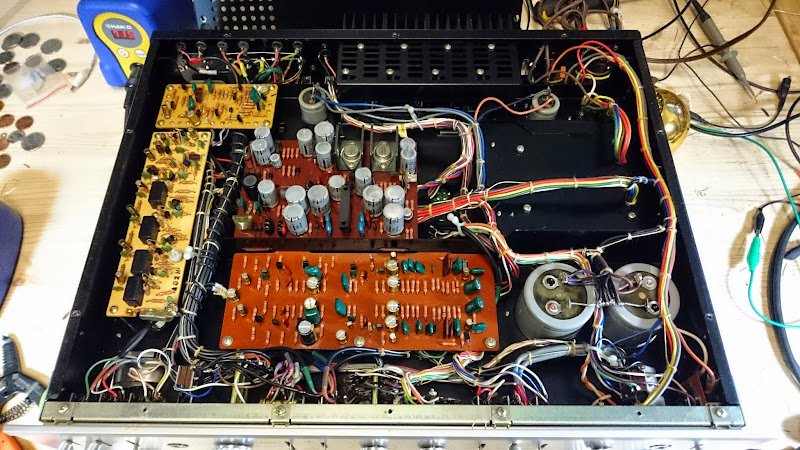
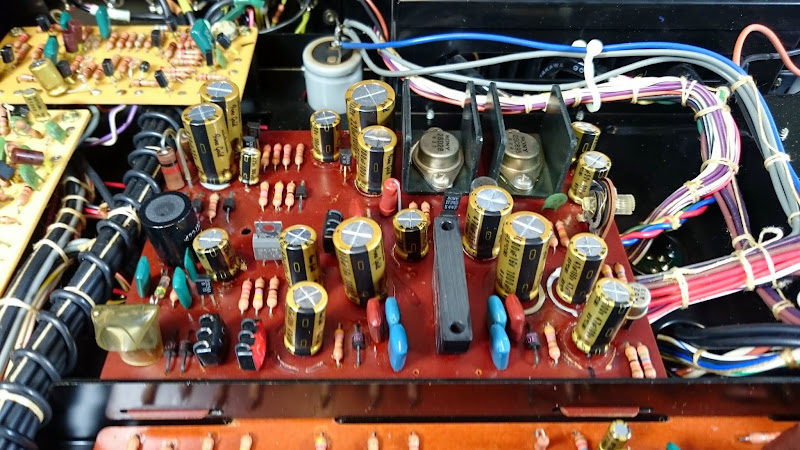
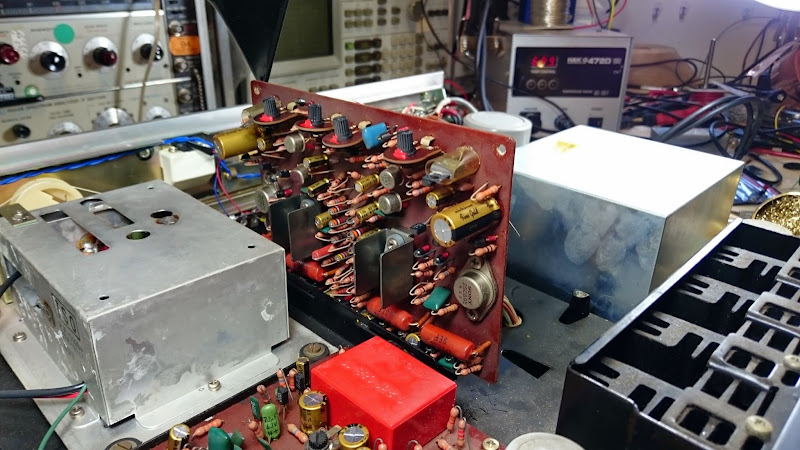
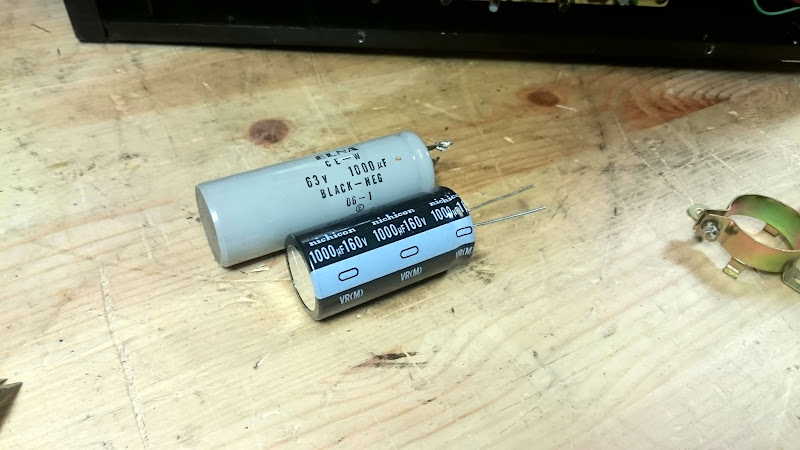
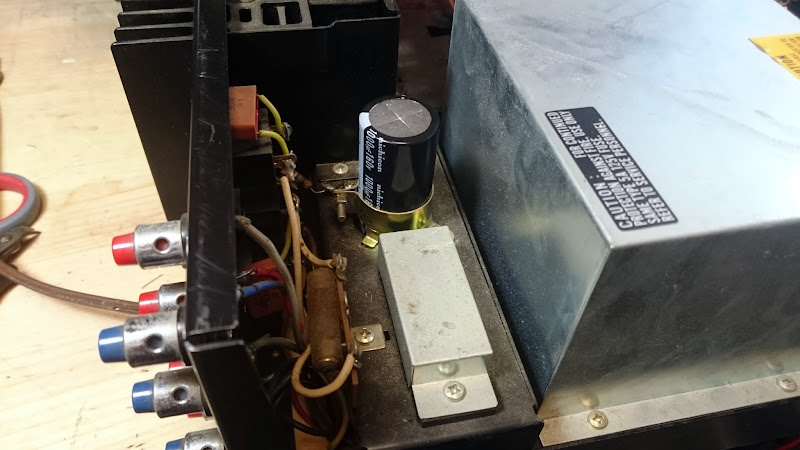
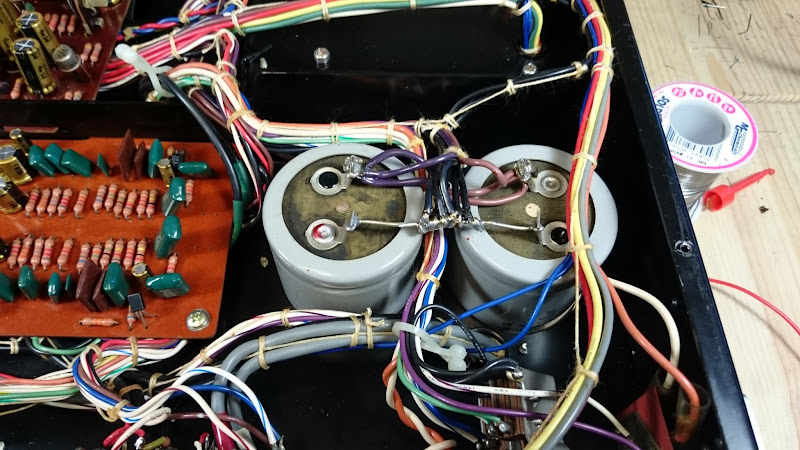
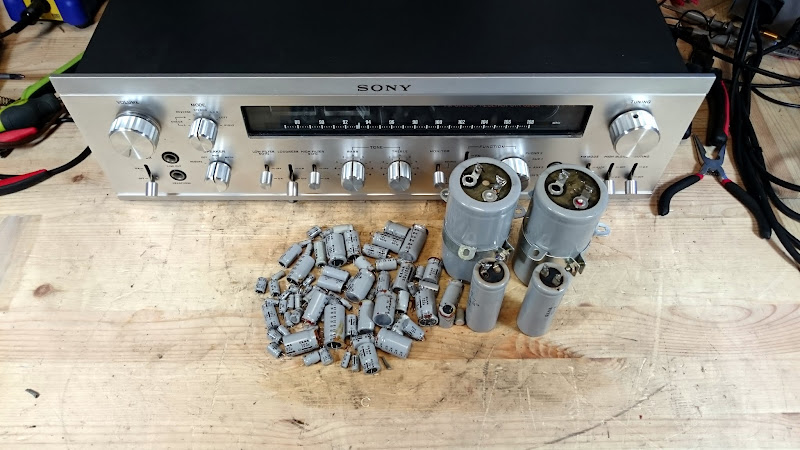
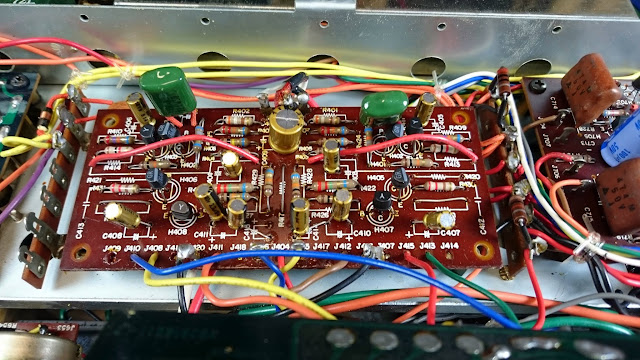
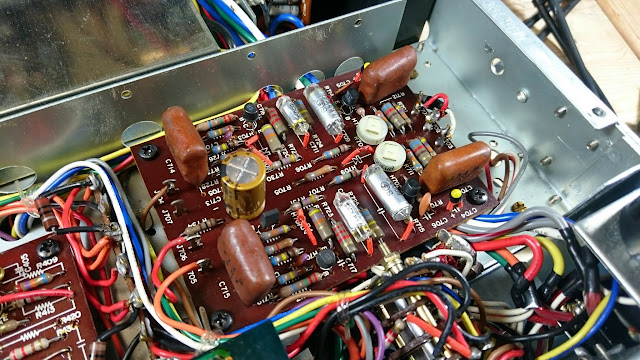
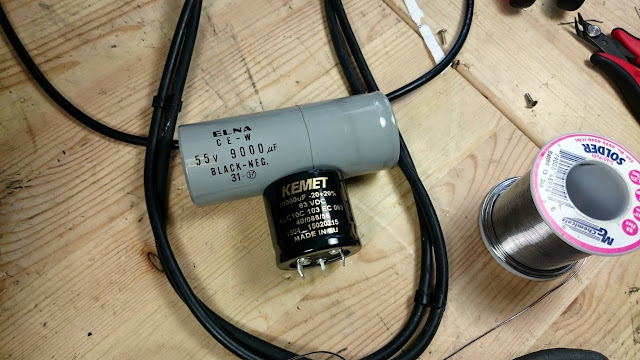
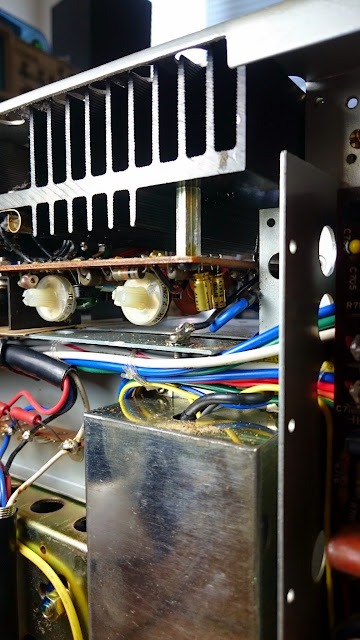
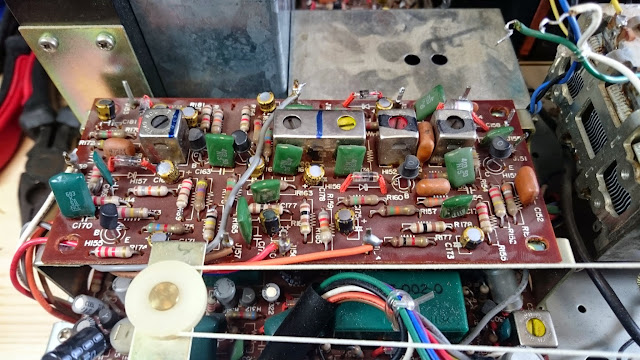
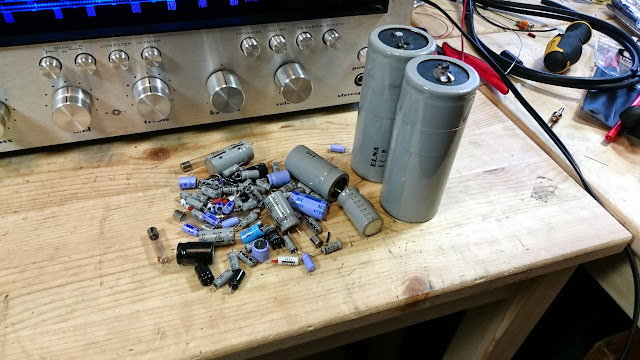
Otherwise, though, this one was running on all original parts. For replacements, it got new Nichicon Fine Gold capacitors across the board, and new electrolytic filter capacitors for good measure:

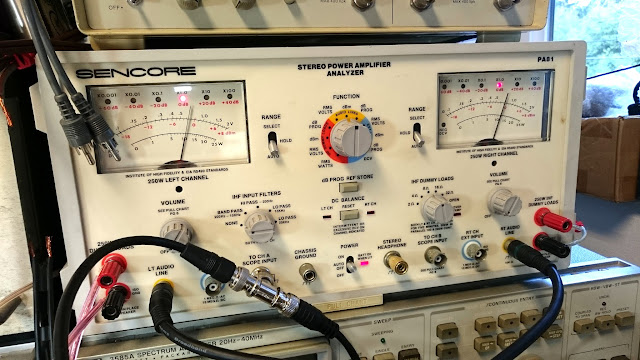
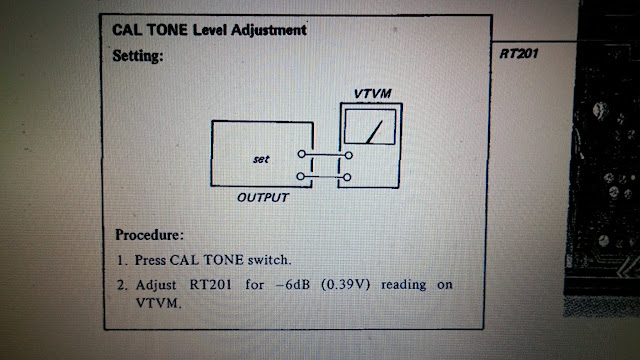
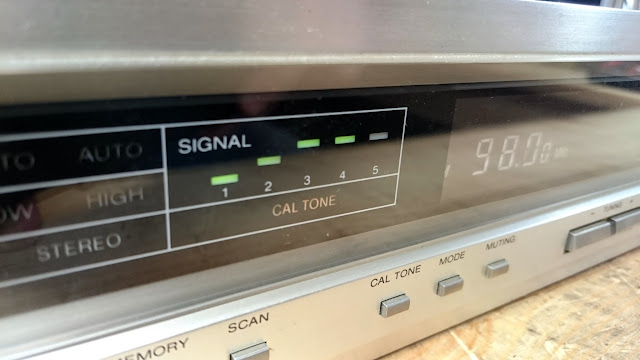
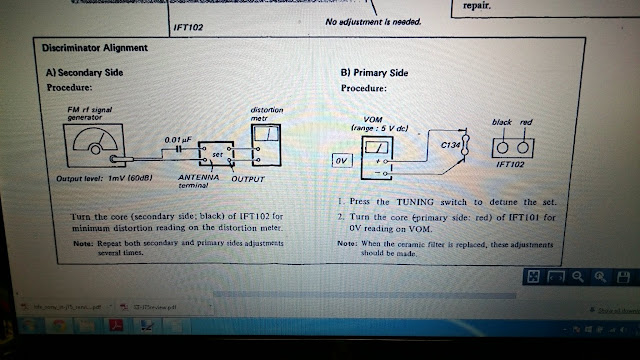
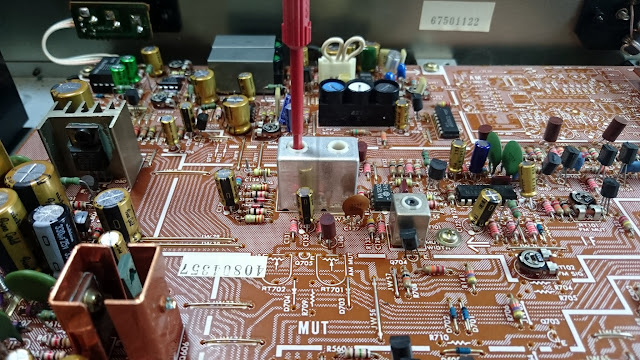
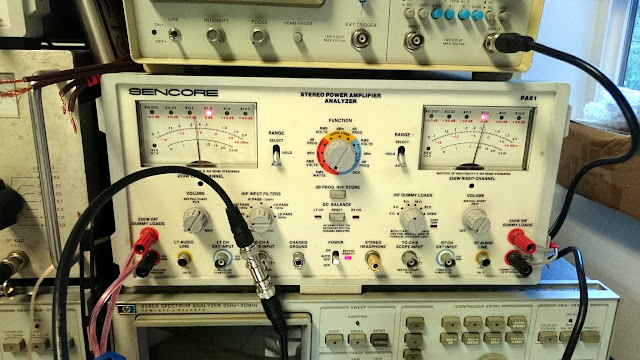
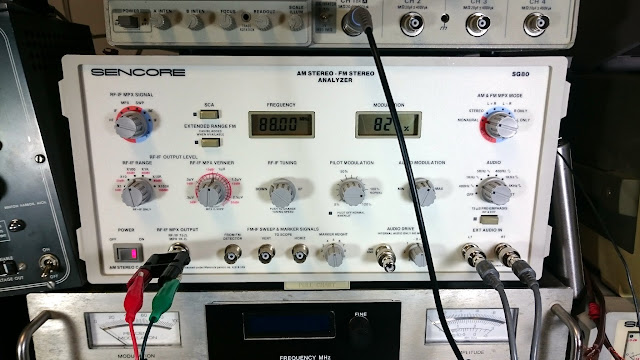
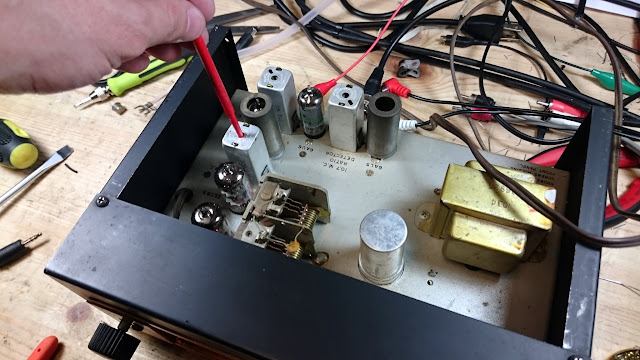
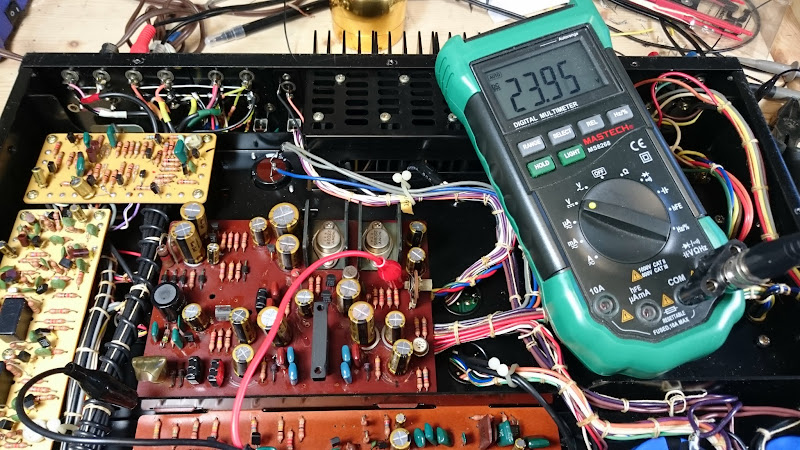
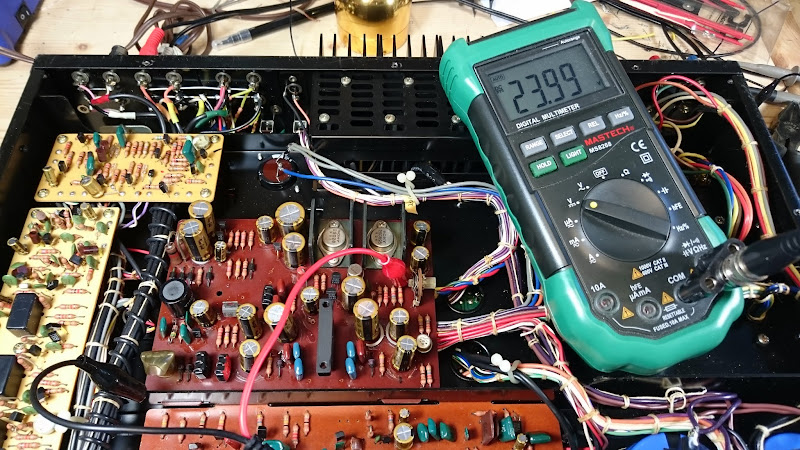
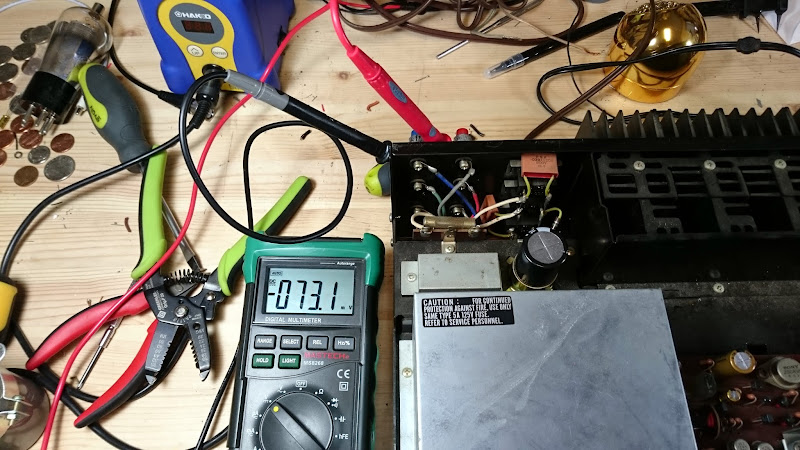
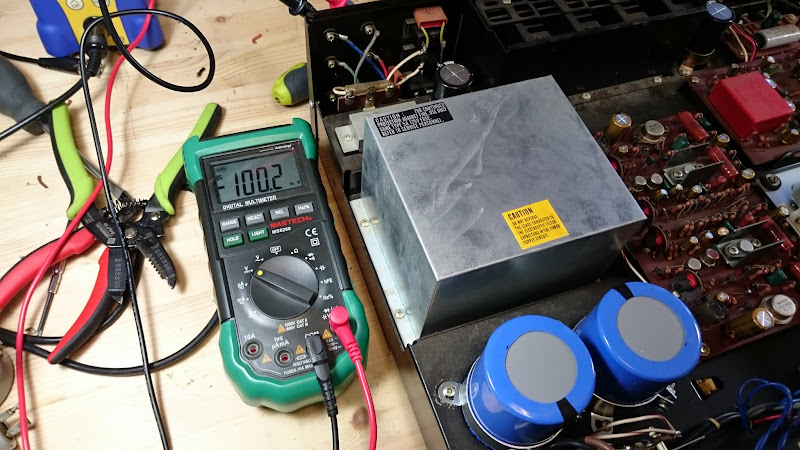
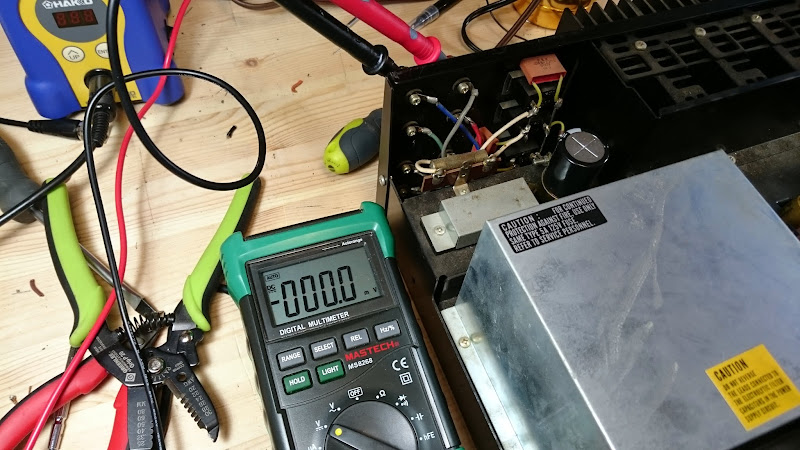
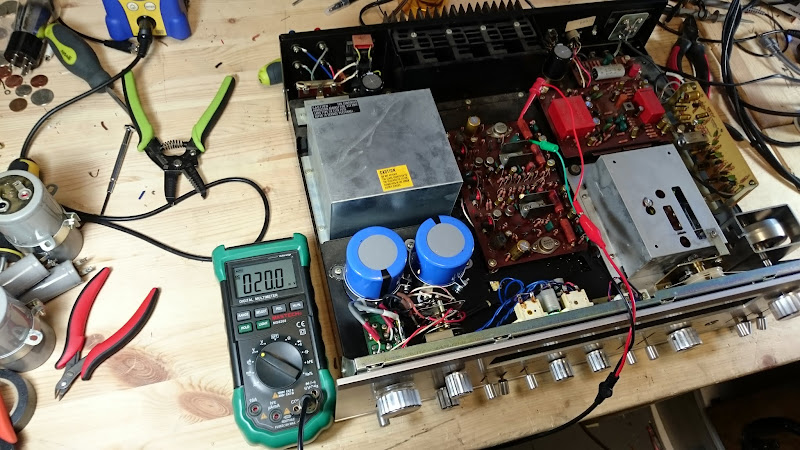
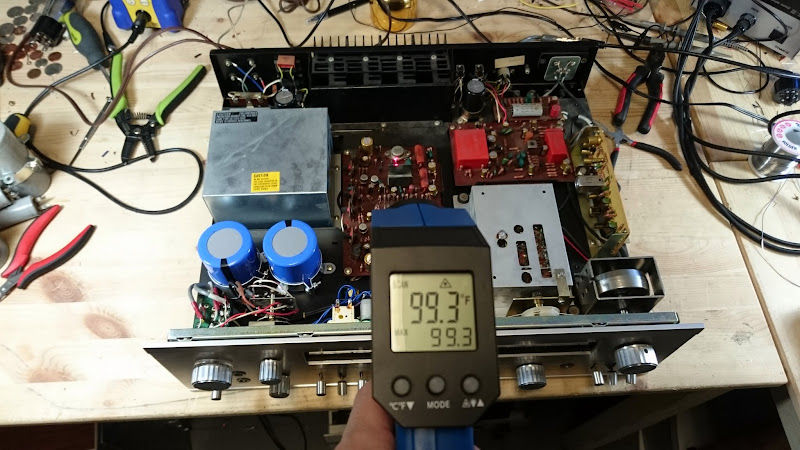
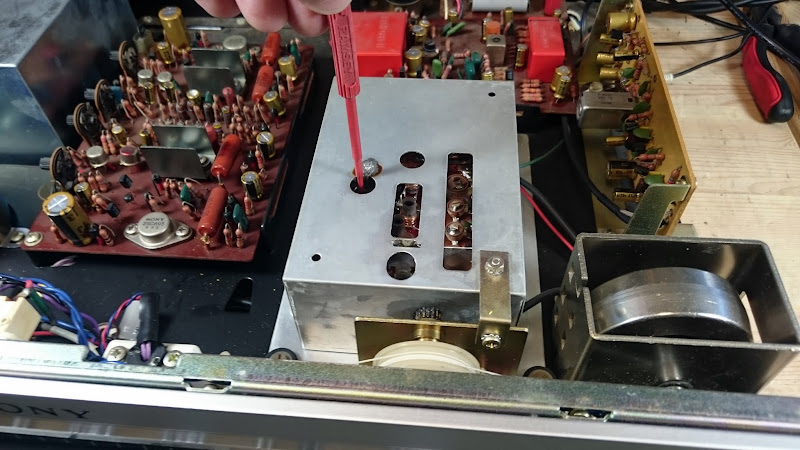
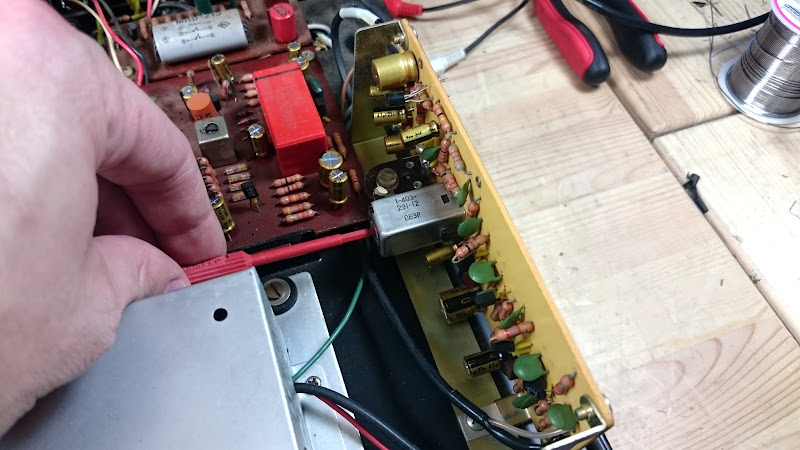
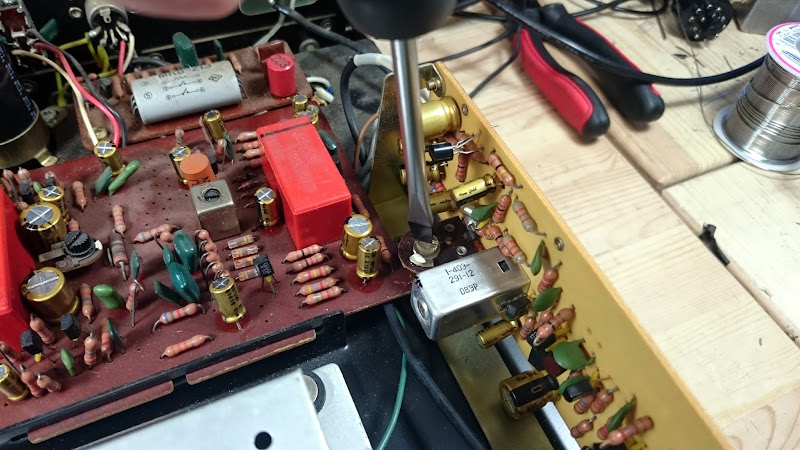
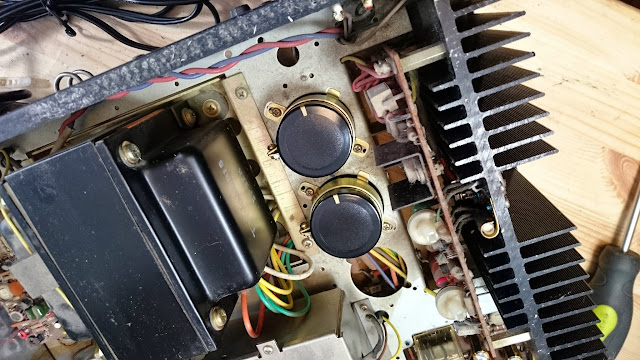
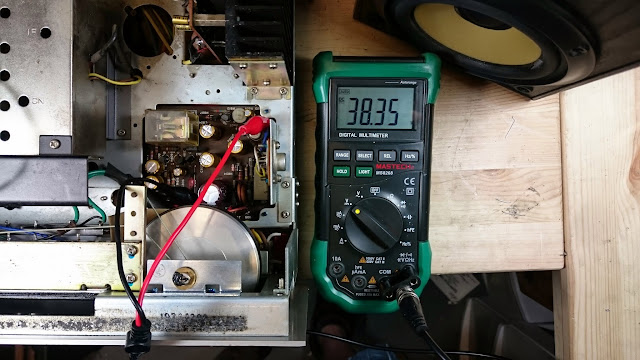
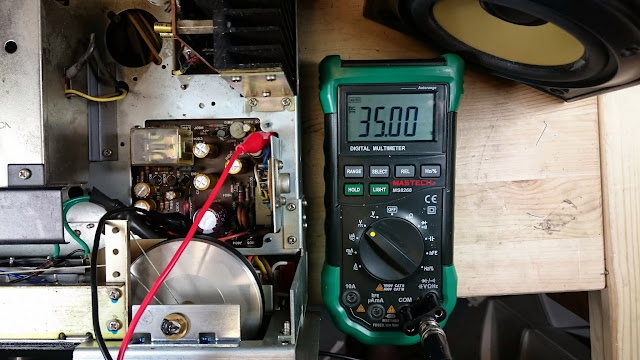
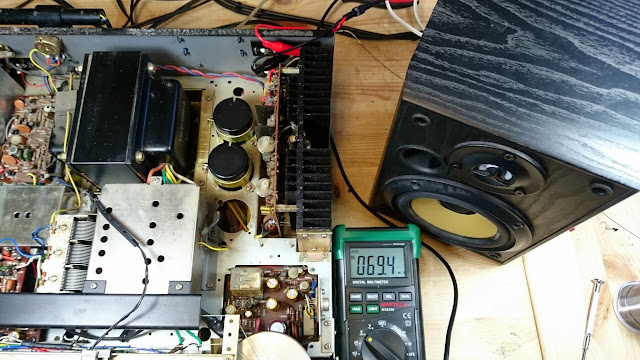
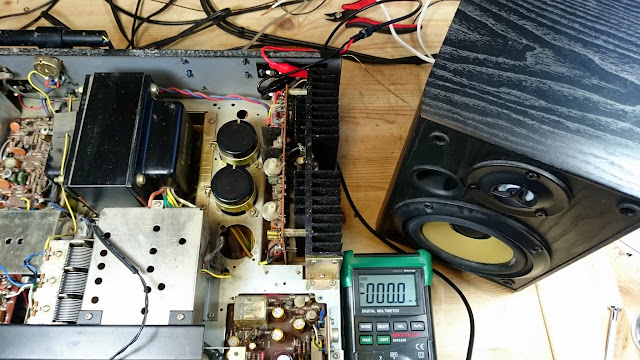
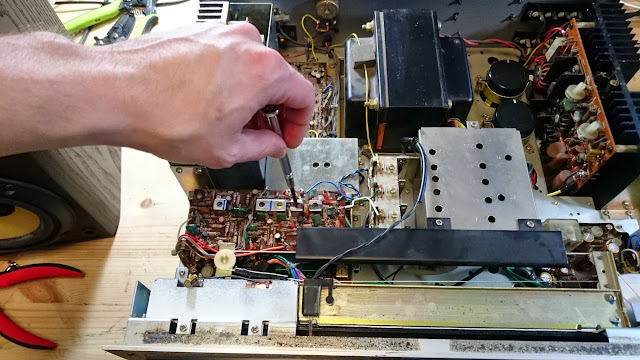
Finally, time to adjust the power supply, and bias on both channels:

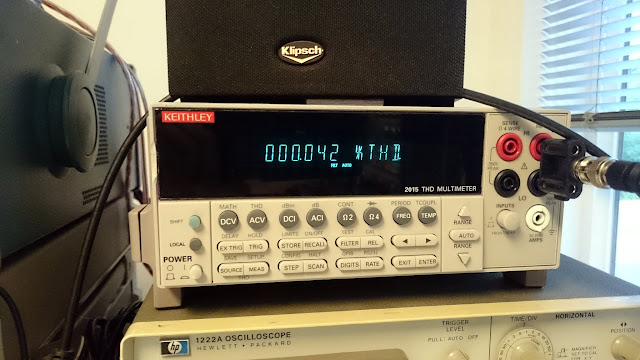
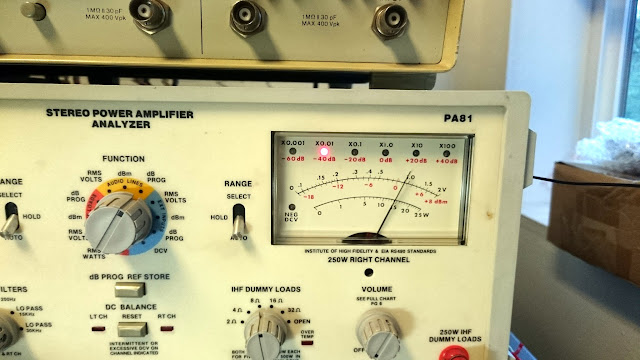
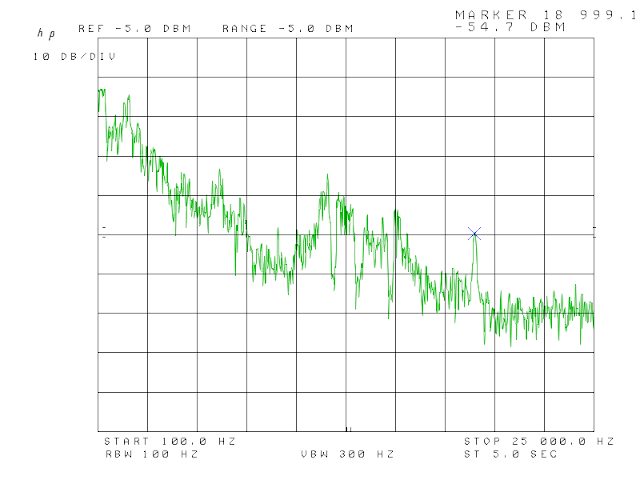
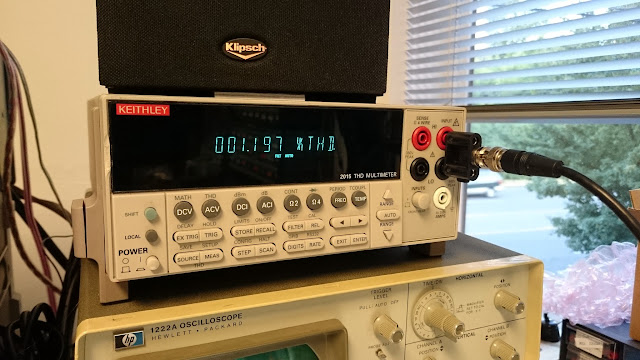
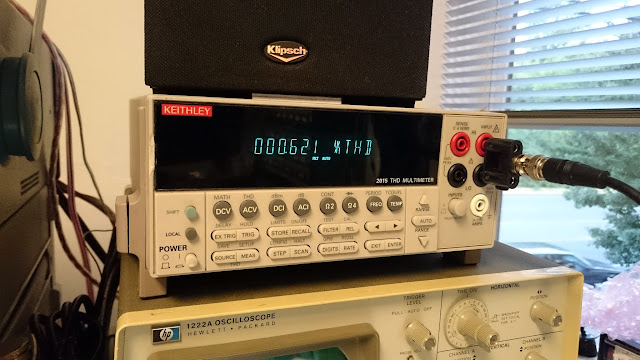
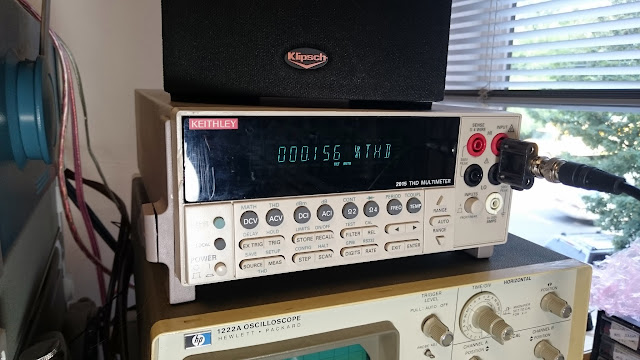
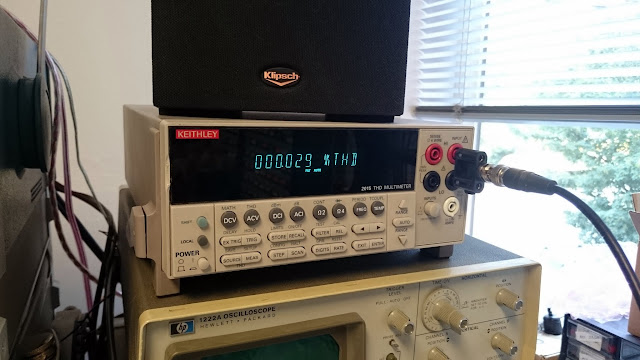
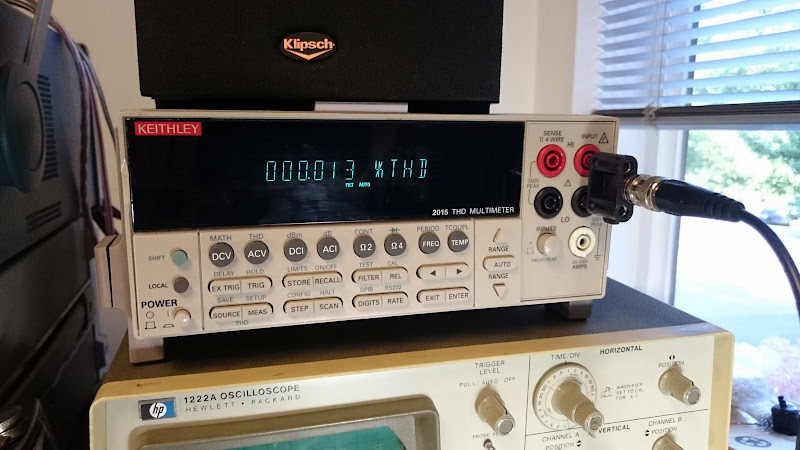
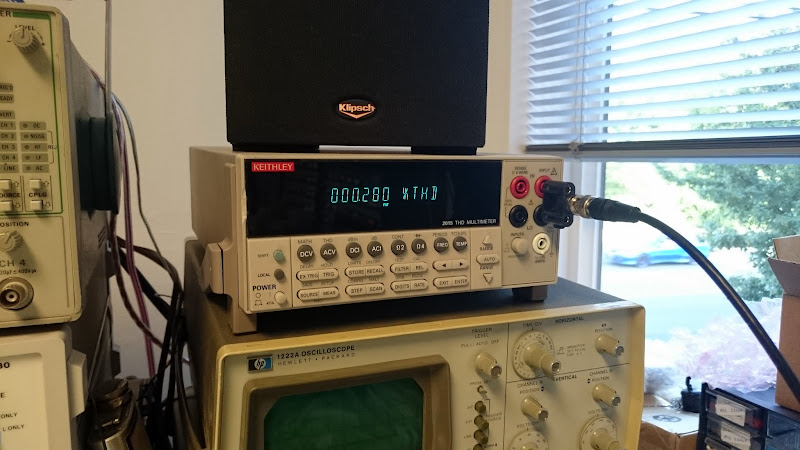
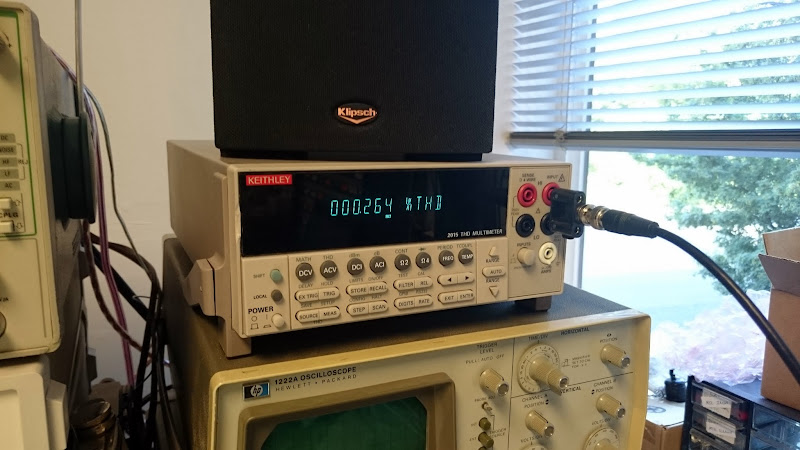
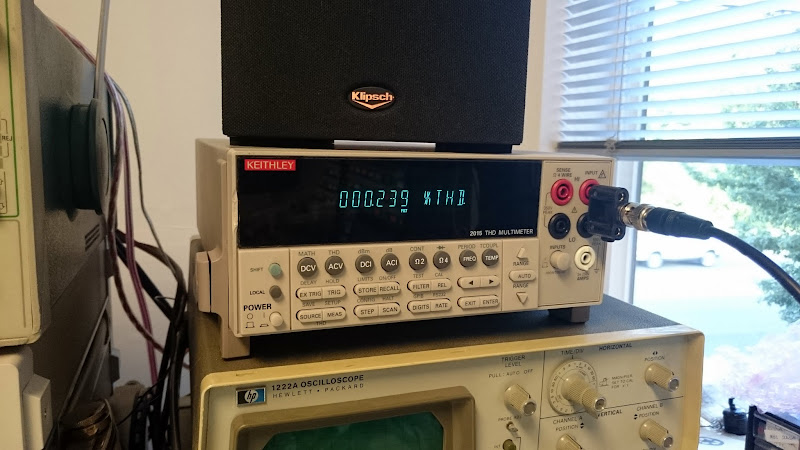
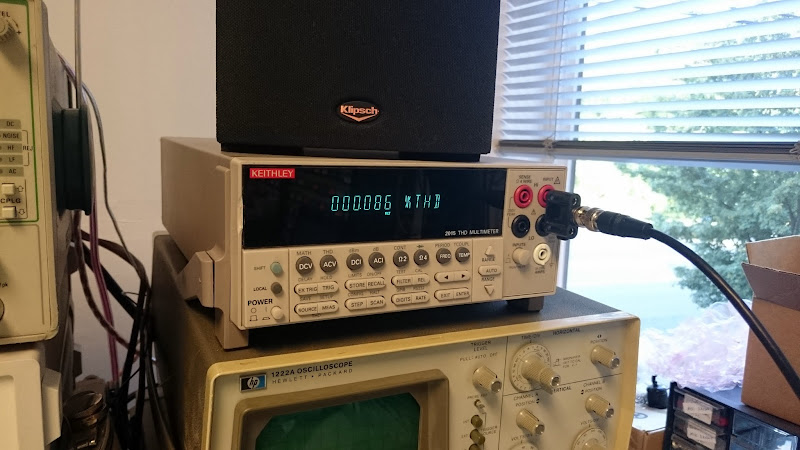
Looking good! Time for performance testing. I measured the distortion below 0.1% THD at 1 kHz through most of the range, and under o.06% THD through normal listening volumes – but after the re-cap and adjustment, we’re measuring a little bit lower. Nice!

This Sony then went on the shelf for burn-in testing. I listened for about a dozen hours and worked all the controls and settings to ensure correct operation.

Fully checked out and verified, this Sony is ready to go home!

With this service, this Sony TA-5650 integrated amplifier is going to last for a long time and sound fantastic. Another piece of hi-fi history preserved for the future!

Posted in Audio, Electronics, Projects, Vintage | Tagged , , , , , , , , , , | 1 Comment

Fun with the HP 3585A Spectrum Analyzer

I spent some time playing around with one of my HP 3585A spectrum analyzers over the weekend to get a feel for its capabilities. While it’s only good from 20 Hz – 40 MHz, it’s a very capable tool within those limits!

Let’s start off taking a look at the AM broadcast band. I hooked a set of 75-ohm TV rabbit ears to the terminated input and set the analyzer for a 0.5-1.5 MHz sweep. Let’s see what came out:

Not bad! Those peaks are the local AM broadcast band stations. The marker is just left of center on 880 KIXI, our local oldie’s station playing period music. It’s great for vintage radios! Looks like the analyzer’s calibration is pretty good, too.

Then I hooked it up to a 3 MHz unmodulated output from my LogiMetrics signal generator:

Looking good! The levels agree within 0.5 dBm. How are those harmonics?

Decent! There’s the 3 MHz fundamental on the far left; the marker centered on the second harmonic at 6 MHz which is about -35 dBm down from the fundamental; the third harmonic at 9 MHz is about -40 dBm down from the fundamental. Respectable!

I’ll eventually use these for aligning pass-bands on radio IFs, among other things. More on that when I get there.

Posted in Electronics, Gadgets, Test Equipment | Tagged , , , | Leave a comment

1960 Grundig SO191 Stereo Hi-Fi Console Repair

This stunning piece of late mid-century modern German engineering, the iconic Grundig SO 191, recently came through the shop. It’s owner picked it up from an antique shop in nearly pristine cosmetic condition, but with a few electrical issues to sort out. It’d power on, but wouldn’t play! That’s definitely a problem, and so it was time for a full overhaul.

Other than a stain at the bottom of the grille cloth, this console was immaculate. It’s a massive, powerful, top-of-the-line console from the era: a total of 16 tubes, AM/FM/Shortwave and a powerful stereo amplifier with push-pull EL95s per channel driving three high-efficiency drivers, two forward-firing and one side-firing per channel for a total of six speakers.

It’s so powerful, it’s split up onto two chassis! The amplifier module itself is well regarded in audiophile circles and can command several hundred dollars on the secondary market. It’s paired with the tuner unit with a magic eye tuning indicator and the rest of the circuitry. The technology also really shows the era this was made in: while it has a very sensitive and high fidelity FM tuner, and the amplifier itself is stereo, there’s only true stereo output possible from a turntable or reel-to-reel: the FM tuner lacks an onboard de-multiplexer and has no provisions for an external one. When this console was manufactured, FM Stereo had only just barely been invented and wasn’t fully standardized yet. It’s unfortunate, but even still, it sounds great in dual-mono when fixed up!

Underneath, six coupling capacitors had been replaced with new film caps sometime in the ’90s, but the rest was all original. And the cause of the lack of output was very apparent: one lead of a power resistor in the B+ path was broken off, depriving most of the tubes of their power. That’s no good! A full re-cap of the amplifier, including Nichicon electrolytic capacitors in the signal path and KXG-series electrolytic capacitors in the power supply for extra long life.

I tested the forward and reverse resistance of the selenium rectifiers and they were within spec, so I left them in place. There’s a very large selenium bridge in a can on top of the chassis, and a single-plate selenium rectifier for the bias supply.

Up in the tuner section, it’s cramped as German radios often are – but with the amplifier and power supply on a separate chassis, it was surprisingly workable! I spot-checked resistors for tolerance as I passed them and every one I measured was within specification, as has been the case on nearly every German radio I’ve serviced. They sure built them to last!

After component replacement, it was time for a first power-up. Not bad – but not great, either. There were a few issues. First was the power switch: the switch mechanism itself was damaged, somehow, and would never energize. Cleaning didn’t help and the switch was buried deep in the mechanism so the owner opted to bypass it and install a new switch on the power cord. Finally, the multiband tone control had an issue. Most of the bands worked, but the final treble adjustment which worked by pushing on a cable via mechanical linkage to change the bandwidth of the final IF transformer was nonfunctional. The cable was seized inside its housing, and cleaning and lubrication from both ends weren’t sufficient to fix it. The risk of permanent, functionality-killing damage was too great to overcome so we decided to leave that as-is. “Normal” through “Decreased” worked, but a treble increase wasn’t available after this fix. Then, an alignment, and ready to go home!

This radio is truly a marvel of high-end German engineering and with this service, it wouldn’t surprise me to have it last another 50 years. It’s a lot of work (and a fair bit of money!) to bring one of these back to life but it’s well worth it in the warm yet commanding sound they produce.

Posted in Audio, Hi-Fi, Projects, Vintage | Tagged , , , , , | 28 Comments

Bose® 901 Series VI Active Equalizer #199732 Repaired

A first for my shop, I recently worked on a Bose® 901 Series VI Active Equalizer! These are considerably newer than the Series I-IV that typically come through the shop, although they’re still getting to be 25+ years old at this point and that’s a long time for any piece of electronics gear, so I’d expect to start seeing more of these come through in the future.

It’s a wide, hefty black anodized aluminum case with mid-bass and mid-treble faders, a bass countour switch, LED power indicator, and tape monitor selector. Unfortunately interior shots aren’t available due to a camera mishap, but the design is fairly similar to the Series IV, except using slightly newer op-amp chips. Where the Series IV has four dual op-amp chips, the Series VI adds another active stage and uses a set of quad op-amps in addition to the duals, for a total of 6 op-amps in the circuit. It also features TO-92 package voltage regulators for the positive and negative rails, instead of just an unregulated power supply as earlier versions did.

As is standard practice, noisy old op-amps came out along with failing capacitors which were causing an intermittent signal in one channel. In went brand new Texas Instruments low-noise op-amps to replace, which will get this equalizer going as good as new.

After verification and burn-in testing, it’s ready to go home! With new chips and new Nichicon Fine Gold audio capacitors, this Active Equalizer should sound fantastic for a long time to come.

Posted in Audio, Bose, Electronics, Projects, Vintage | Tagged , , , , , | Leave a comment

Vintage Engineering is Beautiful [’70s TV]
70sTV

’70s Industrial Modern Television in Custom Enclosure

Posted in Collections, Electronics | Tagged , , , | 2 Comments

Screenshots from HP 3585A Spectrum Analyzer via GPIB?

I’m wondering if anyone reading this might have some experience and could chime in. I’m trying to make my HP 3585A spectrum analyzer talk to my Windows XP laptop over GPIB (488.1) with a National Instruments PCMCIA-GPIB card. I’ve been trying both the Keysight IntuiLink Screen Capture software (specifically for this instrument) as well as the KE5FX GPIB Toolkit‘s plotter emulator.

The drivers for the GPIB card are installed correctly. NI’s self-test suite passes; IntuiLink scans the GPIB bus and recognizes the 3585A on address 11, and KE5FX’s toolkit recognizes the GPIB card and is configured for F8 = the 3585A on address 11.

Sadly, Keysight’s app seems to do “something” when I ask it to pull a plot from the spectrum analyzer. It pops up a progress bar that takes a few seconds to finish and spawns a new window, but the generated image is totally blank. KE5FX’s app throws an unrecognizable error that’s something about the internal state of the app and exits instantly.

Anyone have any experience getting these things to talk to each other? Let me know, I’d love some pointers!

Update: It looks like I have a hardware issue with my GPIB interface, a new one appears to have solved the problem!

Posted in Computers, DIY, Electronics, Test Equipment | Tagged , , , , , | 4 Comments

Philco 39-45 Retrofit to 40-201 Cabinet Vintage Radio Repair

A neighbor approached me with his family’s Philco 40-201 vintage radio to be restored back to working condition. It had sat for several decades, very well preserved, but ultimately needed some service after the years.

Very unfortunately, however, the original chassis had a bad case of the notorious Philco coil rot and while its audio section was fully intact and the power supply in good condition, the RF coils were rotted and couldn’t be repaired. This happened due to the acid in the paper ultimately corroding the finely wound coils over the decades – same reason photos from the time yellow and degrade. So, it was time to find another chassis to put into the opening.

The oscillator coil, along with most of the RF coils, were the defective components on this one. This was a particularly insidious failure: the coils tested okay with a multimeter, but failed to oscillate due to green coil rot inside the windings, shorting turns together and killing the resonance. It took quite a few hours of diagnostics to narrow this down, since it was so subtle.

There are several chassis that will fit the opening, but the one I happened to find was from a Philco 39-45. They’re identically shaped, have the same dial scale, but some circuit differences. While the 40-201 uses primarily loctal tubes with the exception of the rectifier and #42 power output tubes, the 39-45 uses a mixture of octal and pre-octal tubes. The 39-45 uses a three-gang tuner and a tuned RF amplifier stage, which actually makes it a bit better of a performer than the 40-201.

The replacement chassis came partially recapped and verified working; I replaced the remainder of the capacitors and did an alignment.

Finally, it was time for an alignment. It peaked up pretty close.

Finally, back in the case!

On the first trial run, it sounded fantastic – picking up AM stations across the dial, and very surprisingly about a half-dozen shortwave stations in Arabic, Spanish, English, and several other unidentifiable languages. It’s going to be a great performer – and a wonderful family heirloom – for a long time to come.

Posted in Electronics, Radios and Tubes, Vintage | Tagged , , , , , , | 2 Comments

Harman-Kardon Citation 12 Deluxe Professional Power Amplifier Refurbishment

Matching the Harman-Kardon Citation 17S professional pre-amplifier shown previously, this Citation 12 Deluxe power amplifier is its 120W per channel companion. It came to the shop for a preventive rebuild after serving for quite a few years. The owner had the original service documentation, and a shop receipt from 2003 where the four primary filter capacitors were replaced. The previous shop did a good job, but by now the rest of the capacitors were starting to show their age and it was time for a rebuild before something bad went wrong.

Following in the HK tradition, it’s very easy to service. There’s one PCB in the amplifier, with a multi-pin edge connector along the bottom. The entire board can be easily removed for service outside the chassis. New primary filter capacitors didn’t require any service, so this refurbishment focused just on the small capacitors on the amplifier PCB.

The capacitors were all going high ESR, which provides reduced filtering ability. Shown here comparing an old 50 uF capacitor (0.85 Ohms) to a new Nichicon Fine Gold 47 uF capacitor (0.09 Ohms), and a lower dissipation factor as well.

Back in the case:

After component replacement, the bias at TP1-2, TP3-4 measured within spec, so it didn’t require any further adjustments. DC offset is pretty low, about 10 mV per channel, and does not have a separate adjustment. Extremely low distortion and great performance through its power bandwidth, too!

The enormous capacitors provide a ton of power. Both channels play for several seconds after power is removed, although the left channel goes on for longer than the right due to individual variations in the components that are being used. Back in it’s case, these two are the centerpiece of a fantastic and powerful vintage system that’s going to sound amazing for a long time to come. It’s crisp, neutral and accurate sound lets the amplifiers take a back seat to the source material and deliver great sonic performance.

Posted in Audio, Electronics, Hi-Fi, Projects, Stereo, Vintage | Tagged , , , , , | 1 Comment

Sherwood S2000-III Tube FM Tuner Repair

Sherwood made some excellent hi-fi FM tuners back in the day, and this S2000-III is no exception. Unfortunately, there’s not a lot of documentation about this model available, but that didn’t stop it from getting an overhaul and alignment.

The Sherwood is marked like it’s a stereo tuner, but the stereo de-multiplexer is an add-on module on an optional separate sub-chassis which was either removed, or never fitted, to this particular model. As a result, most of the front-panel options for various stereo and blend settings don’t operate.

Most of the capacitors were ceramic but several bad paper-mylar capacitors were installed, contributing to its poor performance. The large metal plate is where the sub-chassis for MPX reception would be fitted, plugging into an octal socket above the chassis – but it’s missing, so this tuner will only receive mono.

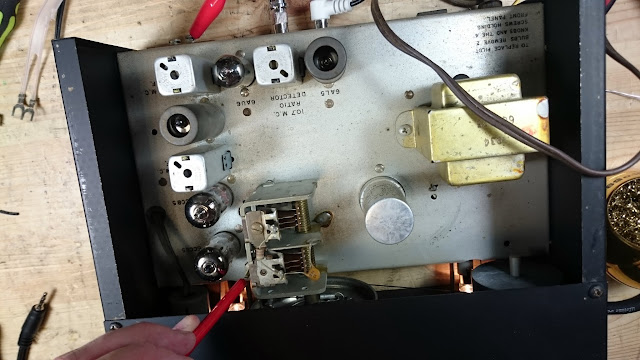
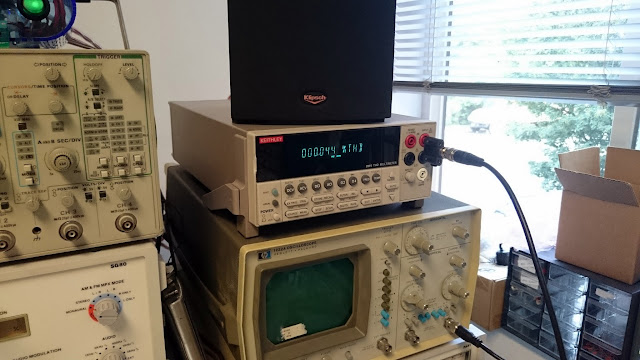
In addition, the 6BZ7 tube, used as a cascode RF amplifier, was defective with an intermittent heater; it needed to be replaced. After sorting the tubes and capacitors which were keeping it from running at all, I proceeded on to the alignment, coupling my signal generator to the distortion analyzer and using the 300 Ohm antenna connection. It was definitely out of spec:

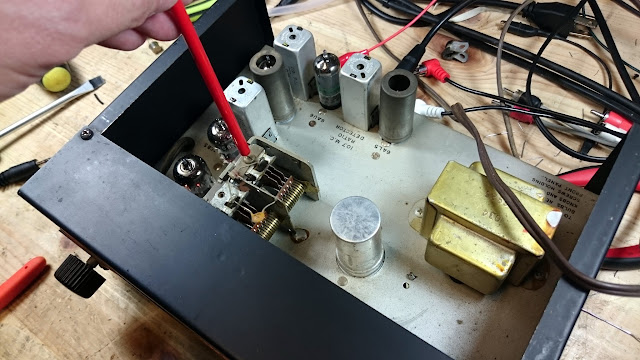
Alignment was fairly straightforward. First, I tuned up the oscillator to bring the dial into alignment, then adjusted the RF amplifier for strongest signal and lowest distortion. Re-tuning the RF amplifier significantly improved performance, but it had a ways to go still:

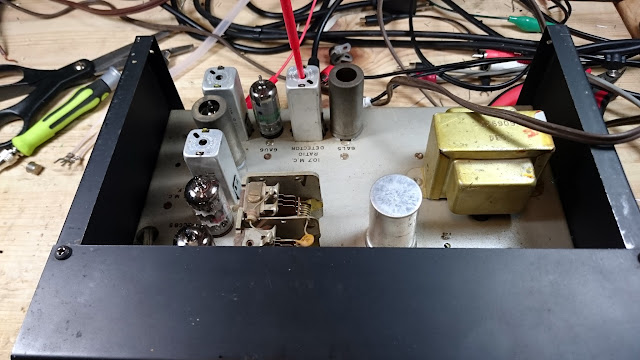
Finally, adjusting the IF chain from back to front for the point of lowest distortion at each stage really cleaned it up.

There we go! Much better. Most alignments can be completed, even without factory instructions, by aligning for lowest distortion with a distortion analyzer.

Fresh tubes, fresh capacitors and an alignment have this tuner performing very well. It’s going to be great for a long time, too.

Posted in Audio, Electronics, Hi-Fi, Radio, Radios and Tubes, Vintage | Tagged , , , , | 1 Comment

Harman-Kardon Citation 17S Pre-Amplifier Refurbishing

I recently got to work on a Harman-Kardon Citation 17S pre-amplifier. Vintage HK gear is some of my favorite to work on: it’s robust, reliable, and built to be easy to service. The Citation 17 pre-amplifier is the companion for the Citation 12 power amplifier, and has a ton of features.

This one features a total of 6 inputs with 2 phono options, two tape loop outputs, and two pre-amp outputs which could drive a pair of power amplifiers.

Inside, it’s extremely open, and all of the circuit boards are mounted on edge connectors that can be easily removed for service outside the chassis.

There are 4 circuit cards with a variety of capacitors on them. These caps were starting to show their age, but weren’t quite dead yet, but several had high leakage and high ESR and were definitely not doing their jobs. This one was the worst, where internal leakage and heat was causing the skin of the capacitor to shrink and pull back.

Lots of replaced parts from this one! Testing showed it was performing perfectly after the service. I also cleaned the balance pot as it was a bit scratchy.

This pre-amp will continue to serve faithfully with its companion power amplifier for a long time to come, and deliver the detailed, accurate sound HK is known for.

Posted in Audio, Projects, Stereo, Vintage | Tagged , , , , , , , , | 1 Comment