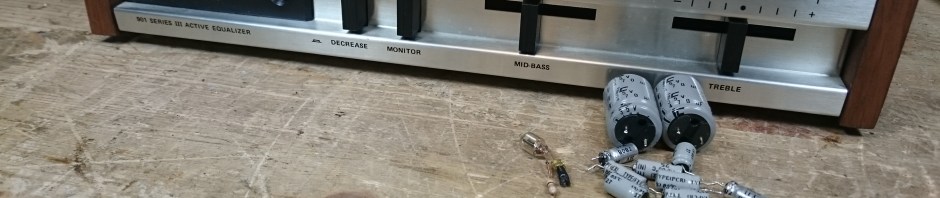
The Bose 901 Direct/Reflecting Speaker System is as polarizing as it is interesting, a unique system from the golden age of hi-fi experimentation. It’s less about perfect sonic accuracy and more about the experience of listening to your music. And that’s one of the things I love about it!
While cleaning up some of my archives to save cloud space, I found that I’ve serviced nearly 500 Active Equalizers which are the important heart of these speaker systems. I’ve distilled some of the knowledge from all of that experience here, to help anyone else who wants to keep these systems running, and get good info from someone who actually has any clue what’s going on.
There is a truly staggering amount of AI slop out on the Internet about these speakers, ranging from slightly wrong to utter nonsense. In contrast, this article was written by a human who has owned and listened to all of these systems, and serviced and studied hundreds of them over thousands of hours
This article covers the Bose 901 Series III Speaker System and the Active Equalizer. Keep on reading for all of the details, including schematics, repair tips, original documents, and direct links to buy all the parts you need for the 901s on Mouser.com.
This article is part of a series, which is being expanded. Scroll all the way to the bottom for the others.
Bose 901 Series III Speaker System Background
The Bose 901 Series III speaker system was introduced in 1975, based on the same principles as the original: with research suggesting that most of the sound you hear in a live performance arrives indirectly through reflections, Dr. Bose designed the speakers with nine small, identical full-range drivers instead of a traditional woofer or tweeter. Eight on the back, one on the front, with no crossover components inside and all frequency shaping done on the external Active Equalizer box.
The Series III used similar 4″ drivers as the Series I/II, but the design took into account another decade’s worth of speaker design research, and moved to a tuned ported cabinet configuration which offered much greater efficiency than the originals meaning that these could be powered more effectively with a small amplifier. The drivers themselves were also update with a “helical voice coil” delivering more efficient performance.The Series III used similar 4″ drivers as the Series I/II, but the design took into account another decade’s worth of speaker design research, and moved to a tuned ported cabinet configuration which offered much greater efficiency than the originals meaning that these could be powered more effectively with a small amplifier. The drivers themselves were also update with a “helical voice coil” delivering more efficient performance.
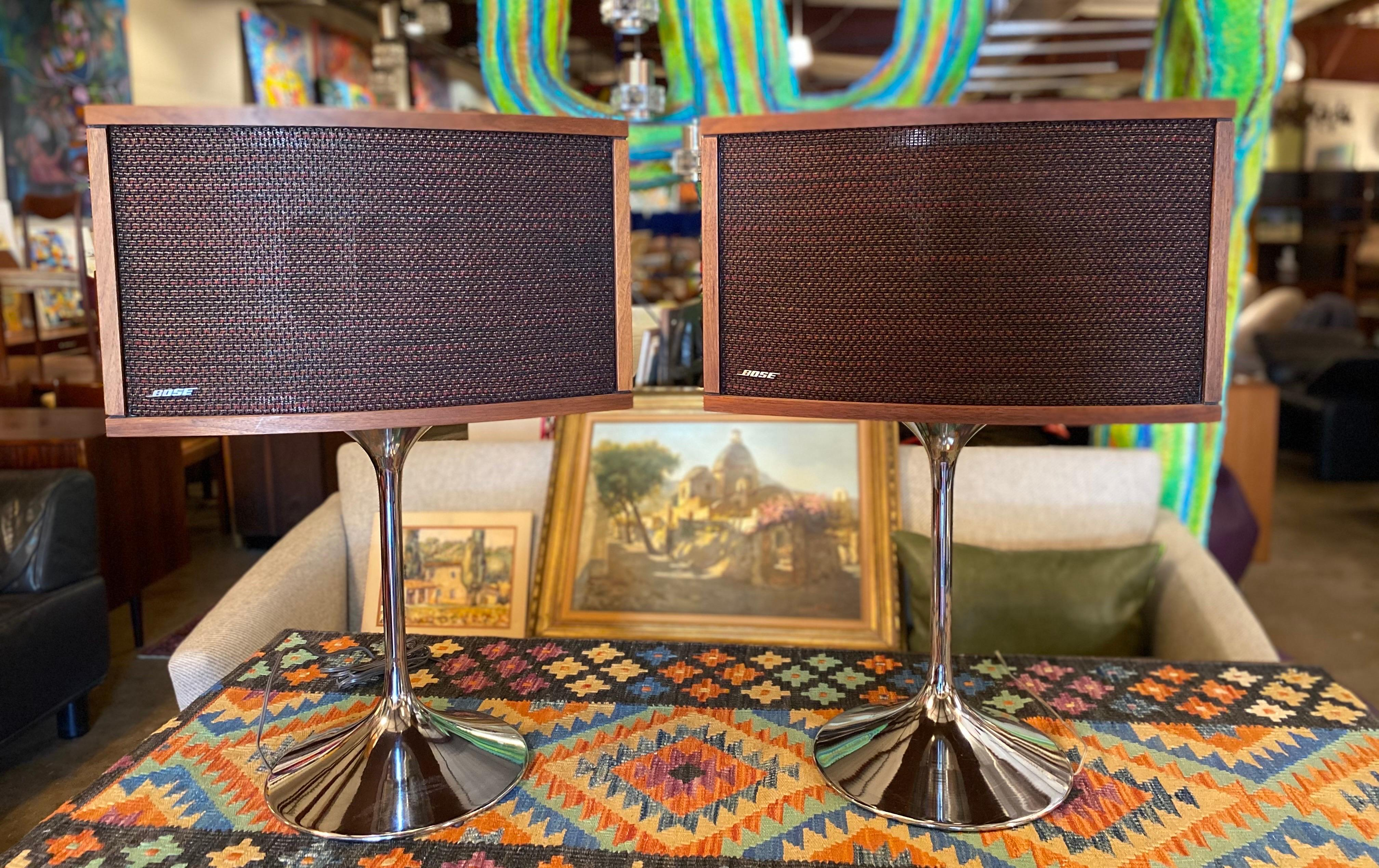
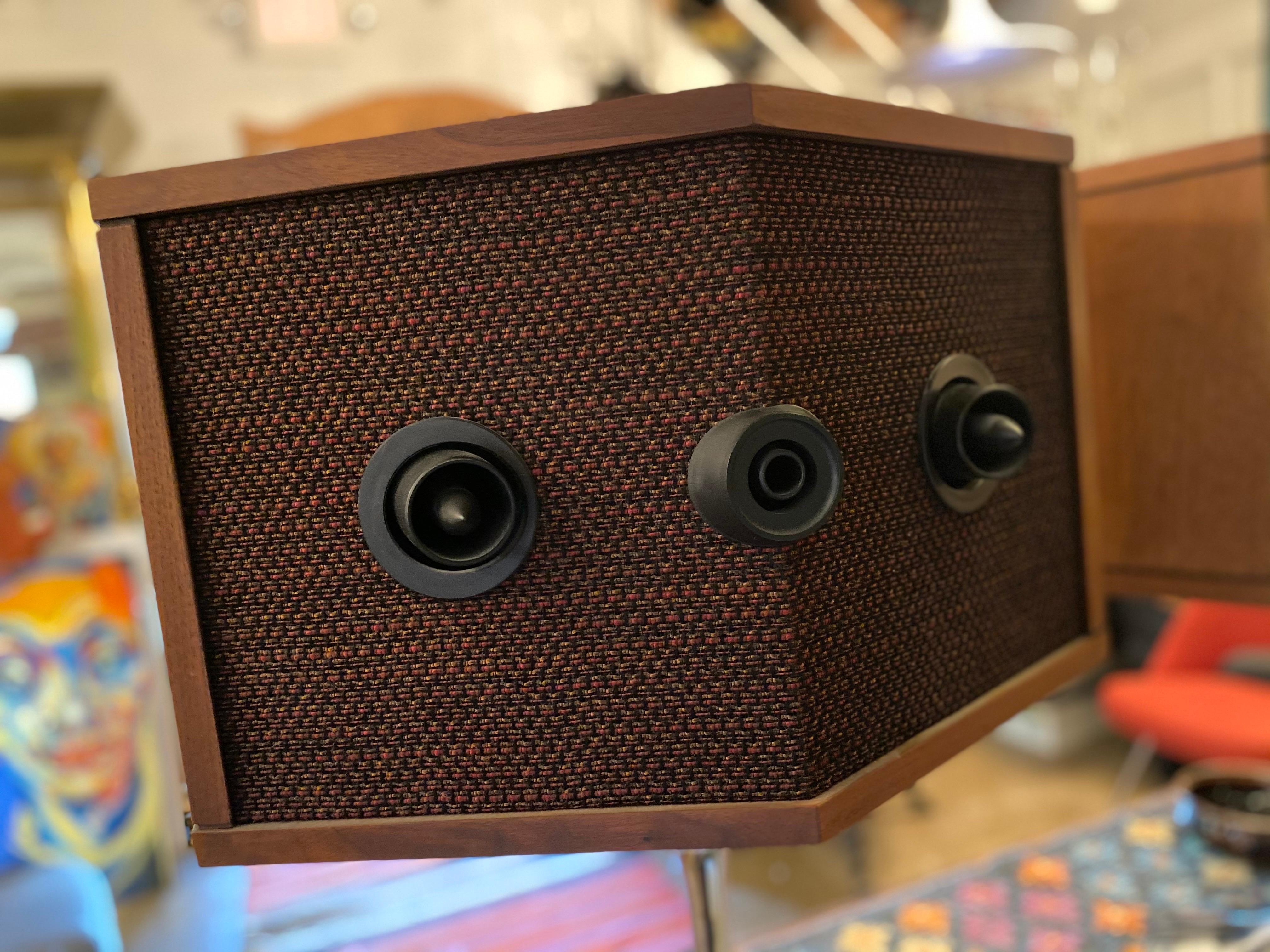
Those ports, responsible for a lot of the power and efficiency on the low end, really push some air. If you crank it up on a bass-heavy song, you’ll be able to feel notable air movement. Some listeners report it being able to extinguish a candle at 3 feet.
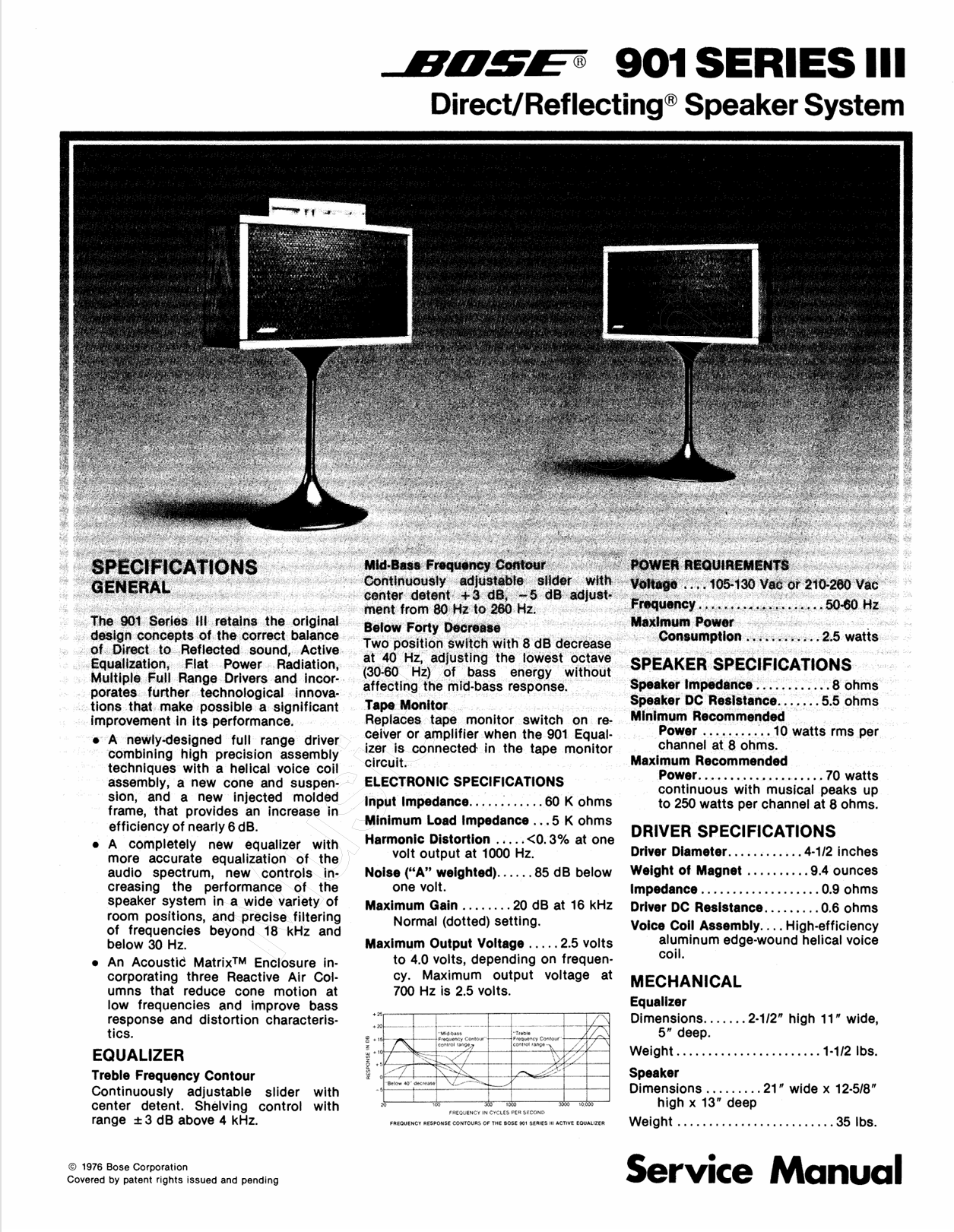
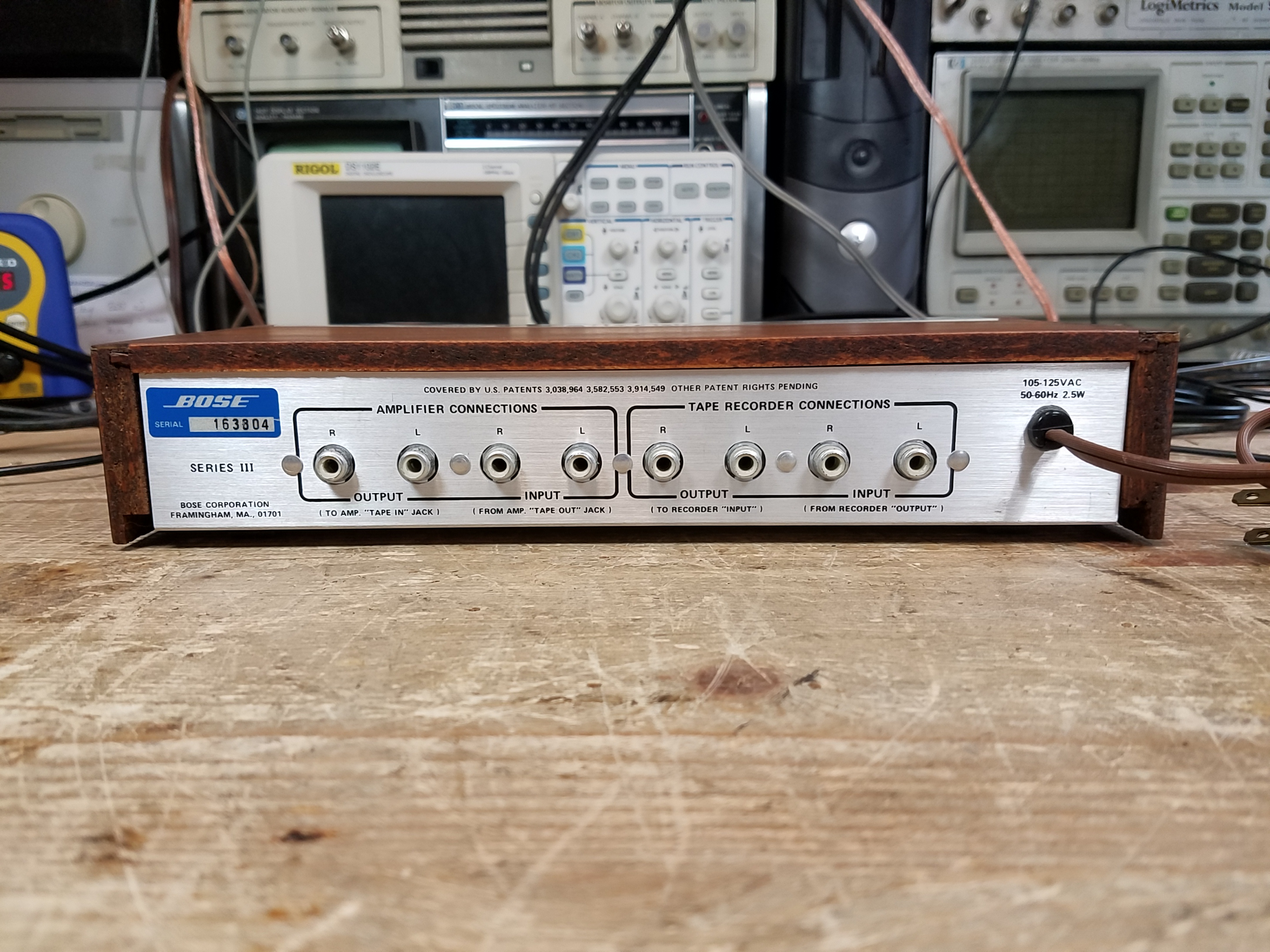
Take a look through the owner’s manual for details about the hookups:
As with the Series I/II, and all other 901 speaker system generations, the equalizer really is necessary to get the best sound out of the system – and sadly, it gets lost or damaged a lot of the time. Without it, the midsized drivers don’t get the drive power they need on both the low and high ends of the frequency range to perform properly and you end up with the derrogatory description, “No Highs – No Lows”.
If you’re absolutely in a pinch, you can crank the lowest bass and highest treble adjustments on your amplifier up as high as they’ll go, but unlike the first generation of 901 equalizers, the Series III and above use a summed complex curve that’s very difficult to replicate. You’ll need a multi-band EQ at a minimum. Find yourself a real one, or a mini-DSP replacement, for best results.
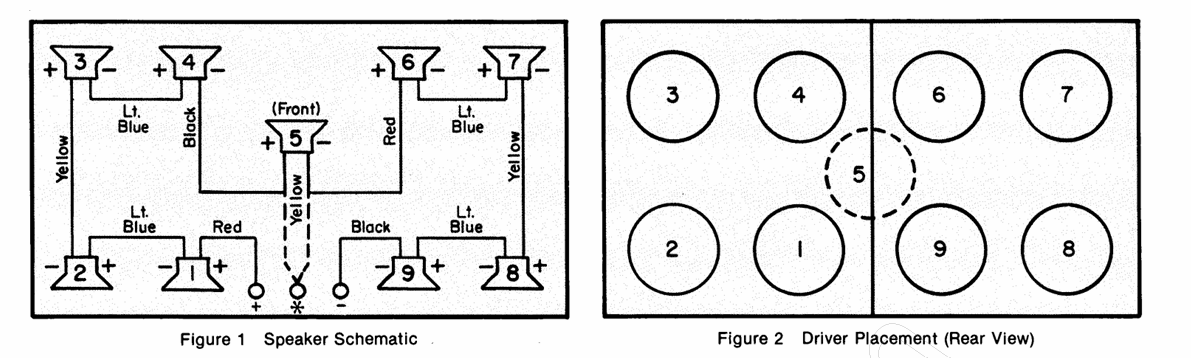
The Series III speakers have an odd wiring design, and includes a speaker terminal marked * in addition to the standard +/- terminals. This is a center-tap, and was used with some specialized Bose amplifiers to provide additional spatial imaging.
It does not appear to have been actually used with any Series III generation hardware, and I’m a bit unclear what a compatible amplifier is actually doing when connected there. It does get some optional use with the Bose Spatial Control Receiver, which was contemporary to the Series IV and is backwards compatible here. Supposedly, the spatial controls allow a suitably shaped signal to introduce variable “leftness” and “rightness” and control the width of the stereo image to a greater degree, but it doesn’t appear to have made much of a market receiption and quietly faded.


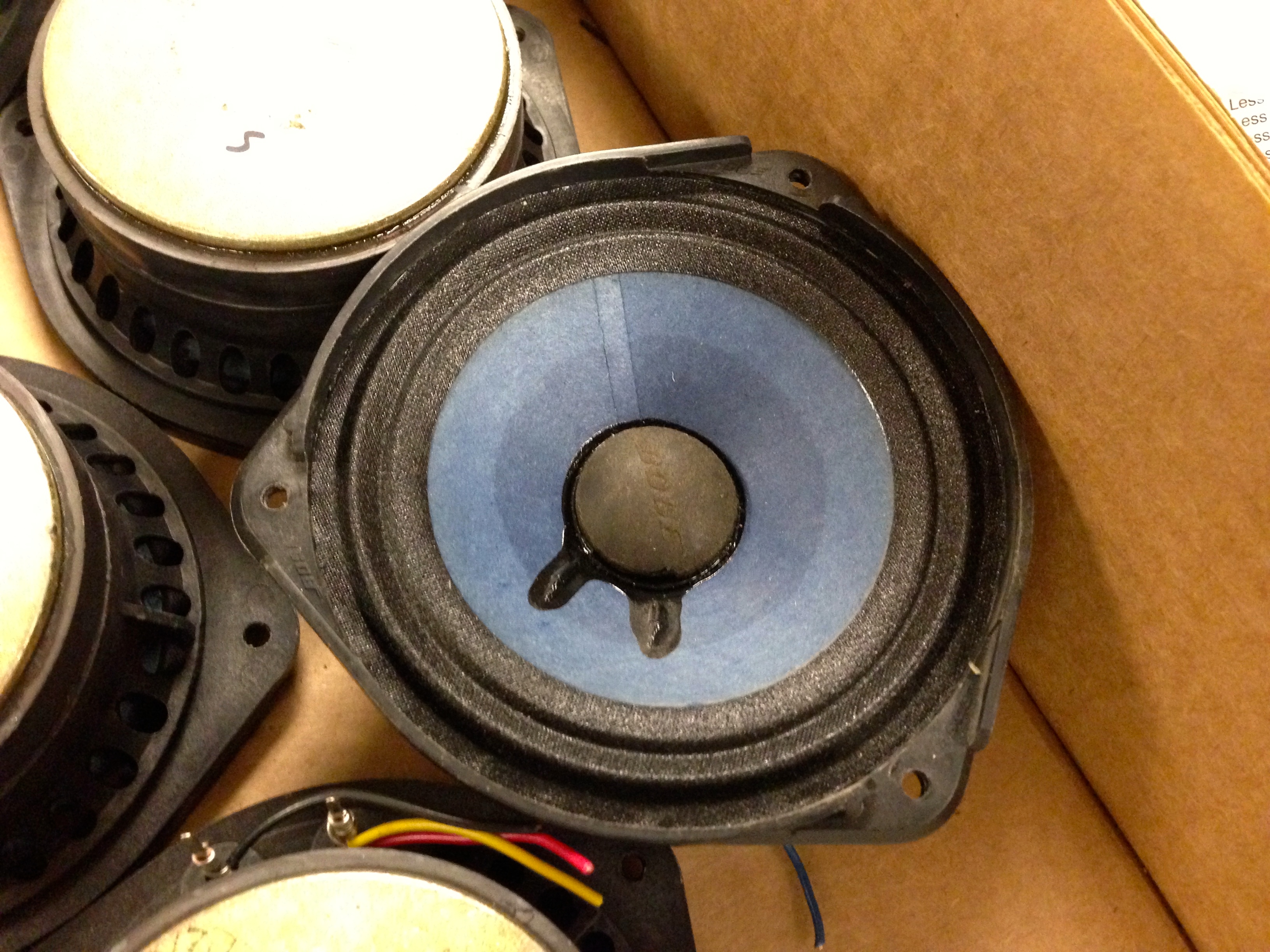
While the Series III and later speakers are much more efficient than their predecessors, the generation change does come with one major downside: the speaker driver surrounds are now a more typical foam, rather than rubberized cloth. These do crack with time and will very likely need all 18 drivers to be reconed. Kits are readily available on eBay and from other vendors, and while it’s not a fun job, it’s more tedious than difficult. You can see some of the cracks in the drivers here:

Drivers are connected with wire wrapping, so buy a wire wrap tool or solder them when replacing.

When refoamed, they’ll last another few decades.
Don’t run the speakers other than just for basic testing with dead foam, or you’ll burn out the voice coils which are otherwis highly reliable.
Bose 901 Series III Active Equalizer
The Bose 901 Series III Active Equalizer is doing the heavy lifting to shape the signal and provide the depth of bass, clarity of treble, and wide soundstage the 901 speakers are known for. It’s an interchangeable frequency curve with the Series IV Active Equalizer, so you can safely mix-and-match within those two series. (The Series V and later are close in overall shape but have 6 dB less boost at the bass and treble frequencies, so it might offer a bit less punchiness.)
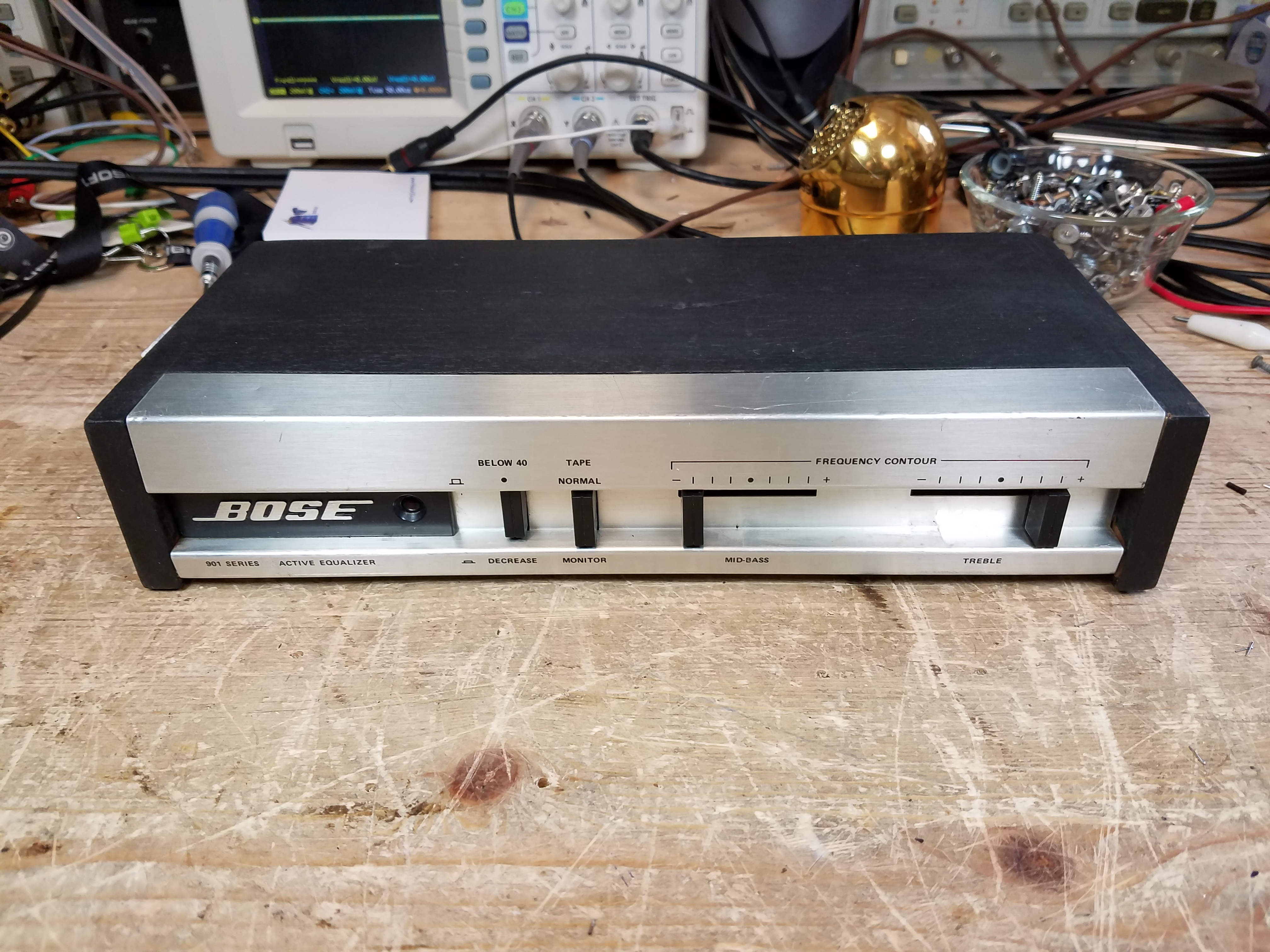
As with the speakers themselves, the equalizer also got a major overhaul, becoming a wider and flatter box and returning to a solid wood case as was used on the earliest Series I equalizers.

There’s also a black case variant floating around:
The Series III was sold around the world and came in both 120V and 220V versions. If yours was originally a 220V model, there’s a large wirewound resistor installed near the power input. There are three terminals: common, the 220V terminal (power delivered to the transformer through the resistor), and a 120V terminal (no resistor.) If you’re converting from 220V to 120V, you can simply move the power input to the correct terminal and you’re done. Should you need to convert to the other direction, however, you’d need to populate that resistor.
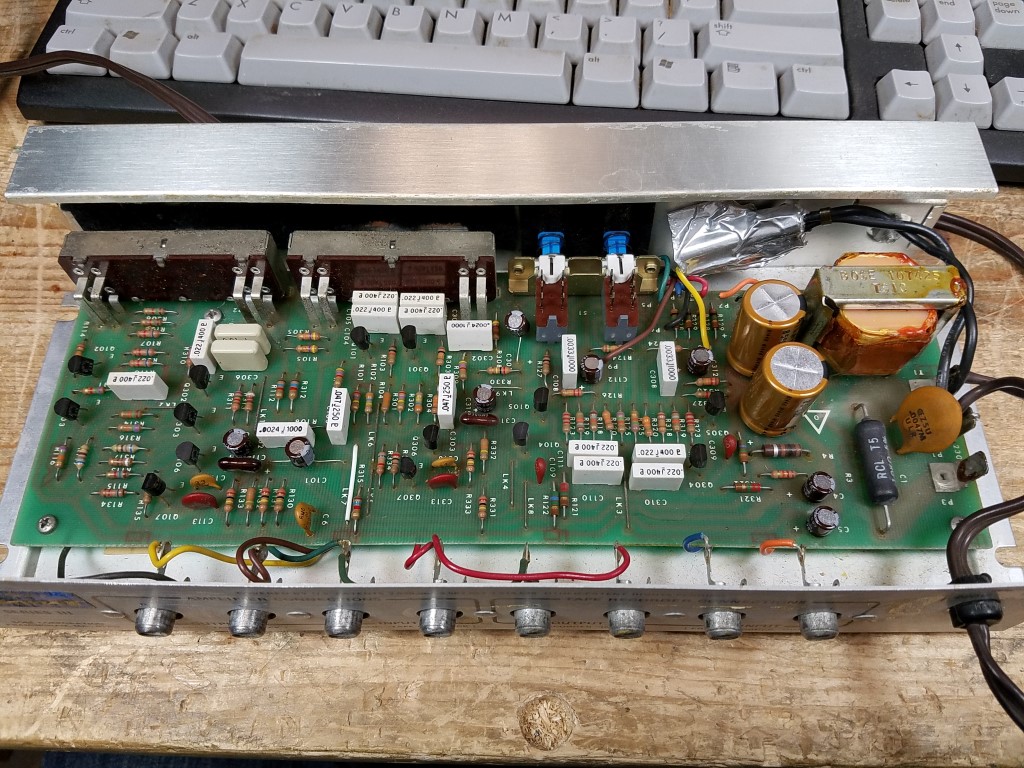
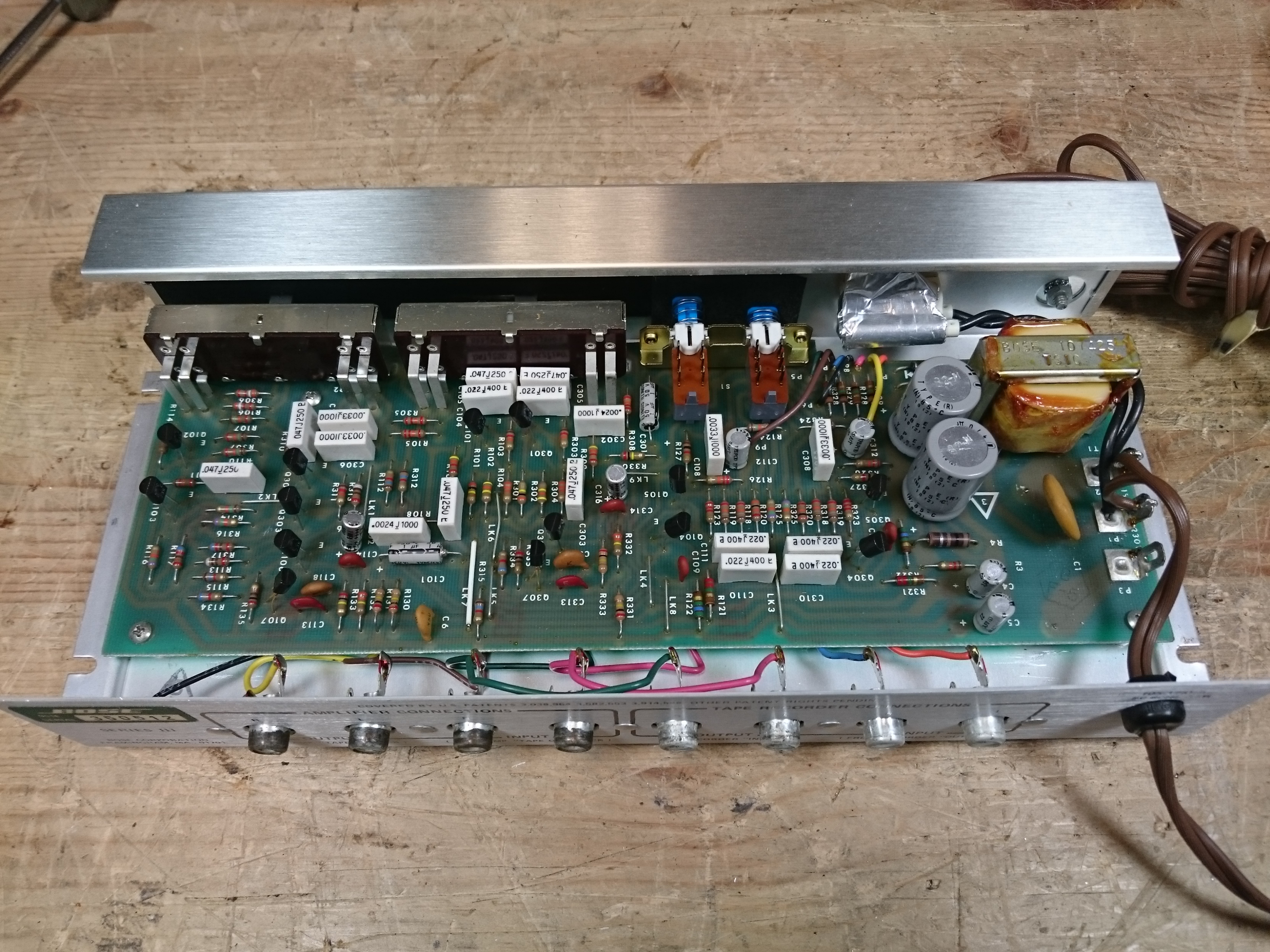
The overall design of the Series III is a bit more complex and chaotic, but it’s still using transistors; in this case, 12 NPN transistors (BC239C, I usually replaced those with 2N5088s) and 2 PNP transistors (2N3906).
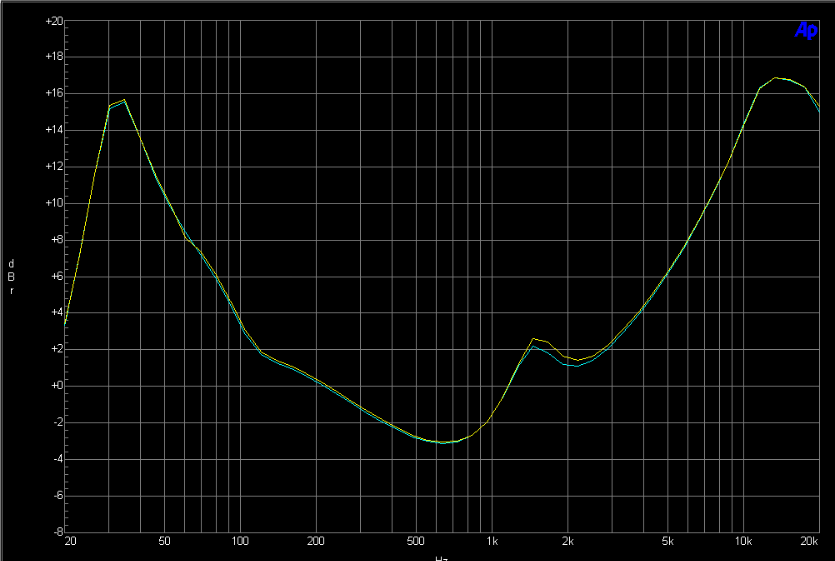
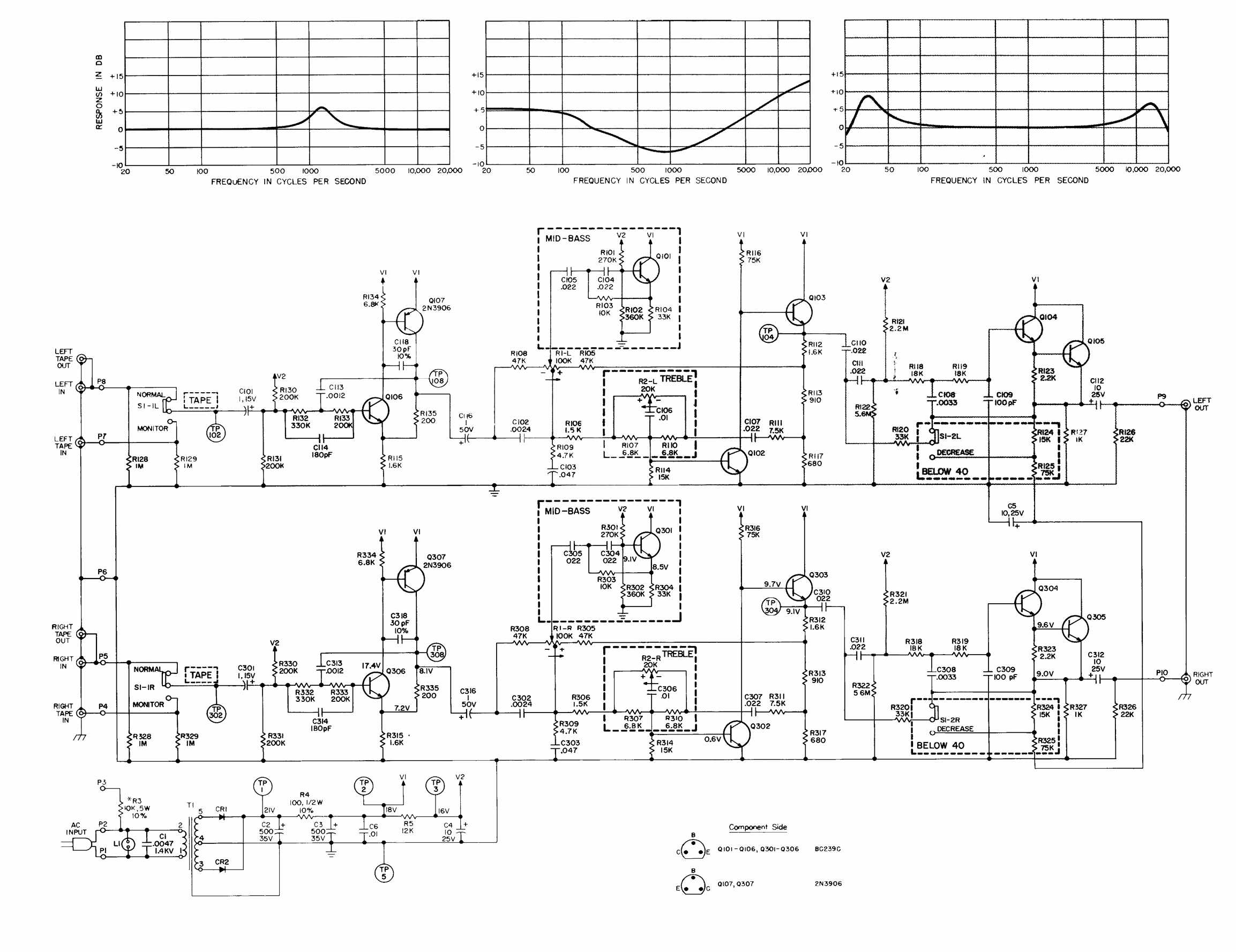
The equalizer is doing quite a bit more work, it’s a true curve, not just boost centered around two peaks:
Servicing this model is generally fairly easy, and you can remove the board from the case without disconnecting anything.

The terminals of the passive components are crimped on the bottom, so after de-soldering, you’ll still need to cut the bottoms off to remove the old parts.
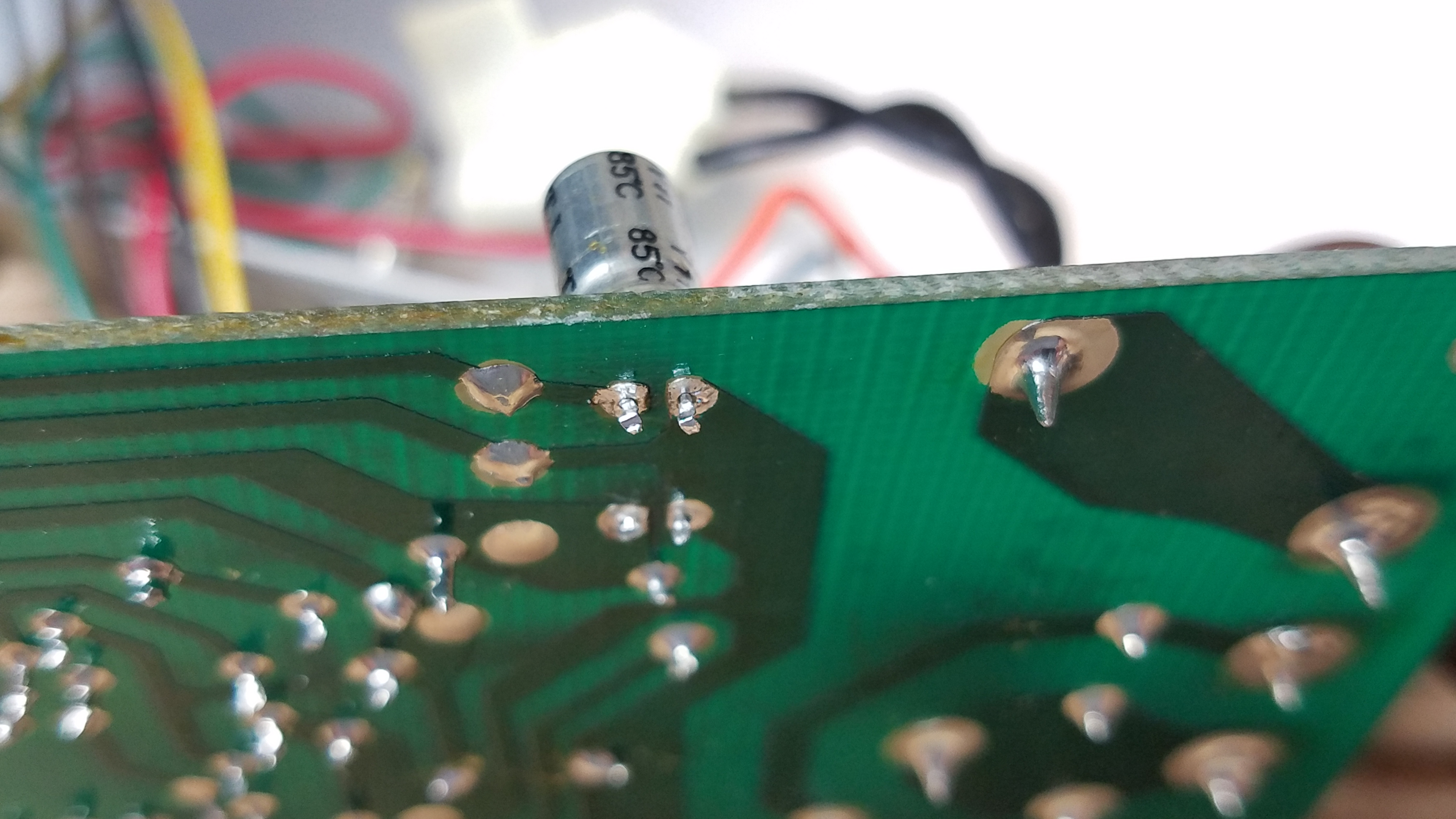
For the Series III, you’re usually looking at a fairly simple repair job most of the time:
- Electrolytic capacitors are universally going to be bad, but the film capacitors are typically stable and high quality. Slightly annoying, there are two axial capacitors but the rest are all radial. Replace the 500 uF capacitors with 470 uF capacitors which is the modern replacement size. I’ve gone up a voltage level in the parts list below to offer extra longevity.
- You can replace the 1 uF axial capacitors with 1 uF film capacitors if you’d like, which may be easier to fit into the footprint.
- Resistors are typically coated carbon and are stable; only a handful of resistors are carbon composition resistors subject to extended drift, and those few are in non-critical positions and can safely be ignored unless you’re going for 100% perfection.
- Transistors are seldom bad, and although matching can be spotty from the factory, the differences are usually only to a level you can see with an analyzer like my Audio Precision and are swamped by individual differences in room placement and/or your own ears.
- Faders should be cleaned and fader lube applied, as these often get scratchy. The Bass and Tape switches also can get grubby, and so should be cleaned.
- The indicator lamp on these is also an NE-2A neon bulb with integral dropping resistor, connected directly across the AC line. You can replace it with an integrated assembly, or a 20V LED powered from the first filter capacitor. The lamp “not powering up” does not actually indicate anything about the equalizer’s functional operation. (Not included on the parts list.)
There are some gotchas, which I’ll cover further down the page.
Series III Active Equalizer Schematic
Click to zoom in on the schematic. The bass frequencies have a small amount of summing going on, with wide spatial separate on the mids and highs.
Series III Active Equalizer Parts List
Here’s what you’ll need for most overhauls. You’ll probably only want the electrolytic capacitors, but I’ve also included the transistors.
When you’re done, you’ll only have a pretty small pile of parts:

Series III Gotchas
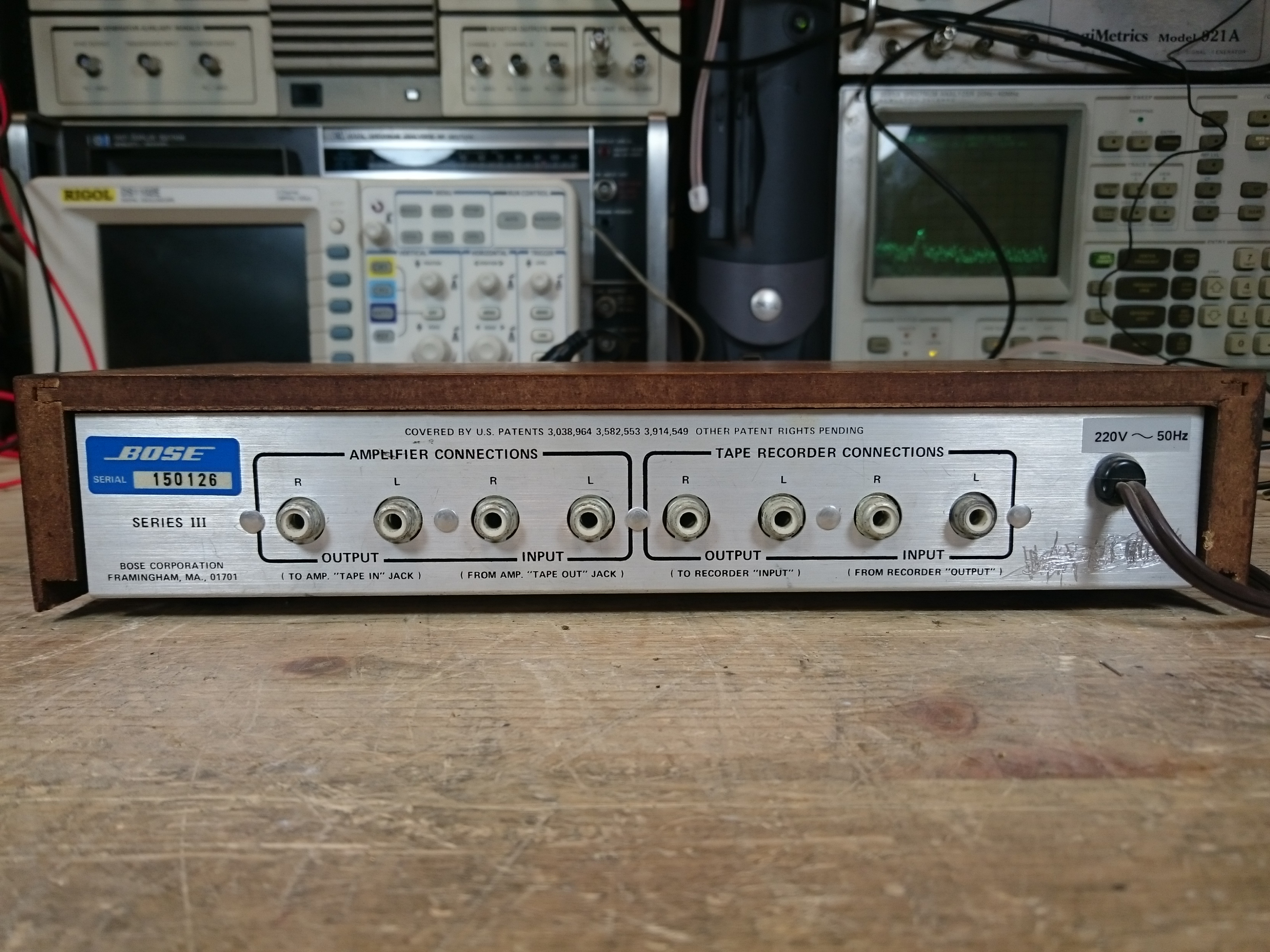
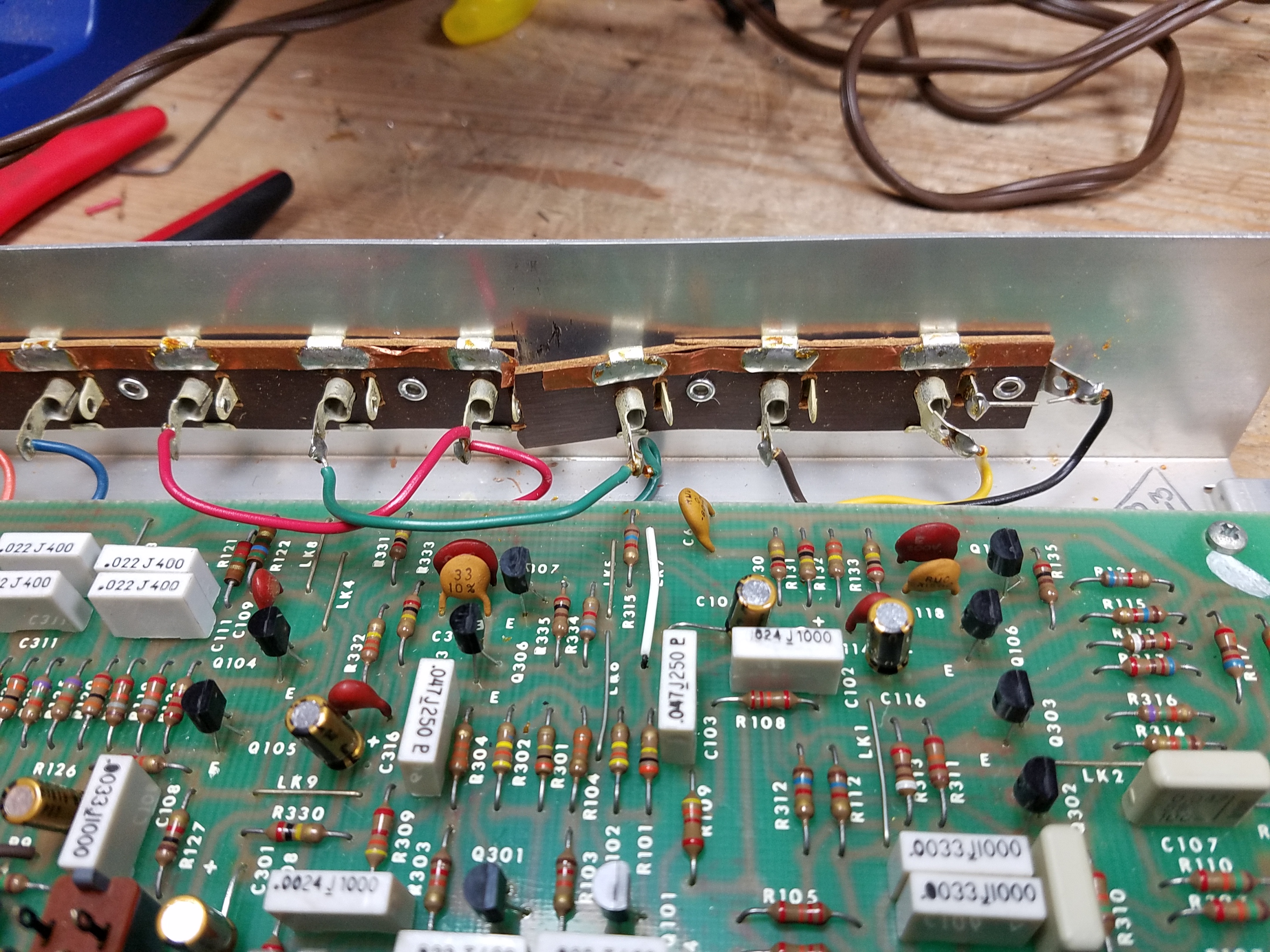
The biggest gotcha with the Series III equalizer itself is the rear connections: these are crimped onto a phenolic board, which becomes brittle with age.
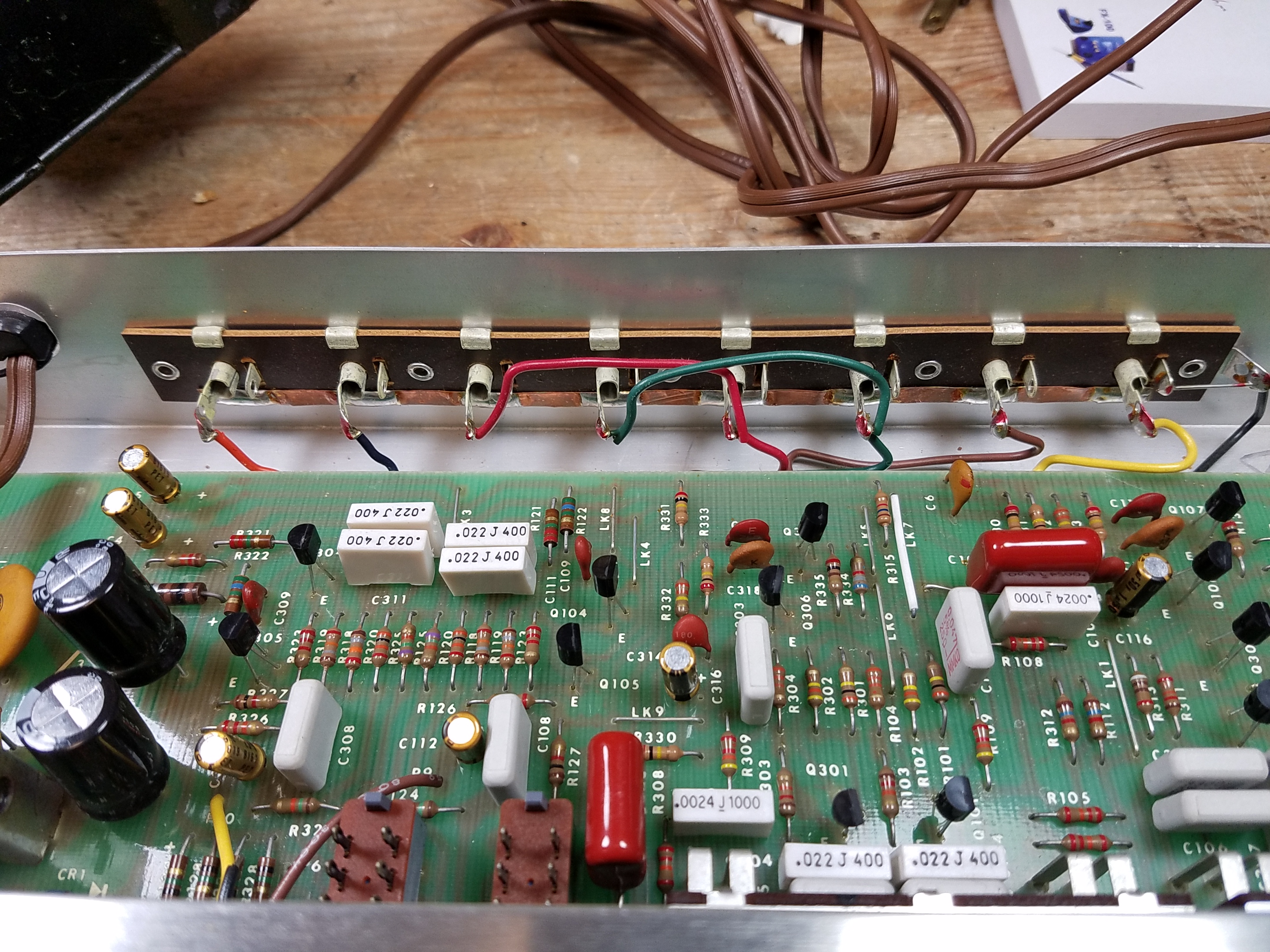
The phenolic can easily crack, and the entire set needs to be replaced at that point.
I typically recommend using new panel-mount RCA jacks. Shown here, the owner requested I replace only the main loop and chose to leave the original Tape Loop section as it was found.

Conclusion & Postscript
The Series III seems to have been much less popular and widely distributed than the earlier, and later, series and was only in production for a couple of years before the design evolved. In about a decade of repairing Bose equalizers for clients, I only encountered a total of 28 Series III equalizers through the shop out of about 500 total repairs.
I am not accepting repairs currently, but I hope this will help you with yours.
Mouser parts were correct and current as of publishing (June 2026). They may change over time. And probably will: when I started with these equalizers in 2012, I was using Xicon 1% metal film resistors, and Nichicon axial electrolytic and film capacitors. By 2021 when I stopped doing this as a business, Nichicon axial electrolytic caps were unavailable. Now, their film caps are out as well. I’ve selected good quality replacement parts which I’d be happy to receive if I paid for the repair in another shop, and which I’d confidently use if I were doing commercial work at the moment.
A lot of modern amps don’t have a tape loop anymore, and there can be some issues with sensitivity mismatch on modern gear if you use the Bose EQ in the pre/main loop. That’s the only real downside. These speakers and their companion amp are best used as part of a vintage system. If you’re planning to use them with a modern system I recommend you first try using a modern EQ or the EQ functions built into your gear and crank the bass/treble; if not, a MiniDSP-based solution would be an OK bet but can require a little bit of know-how to program.
Leave a comment if you have a question, and I’ll try to answer as best as I can.
Other Resources
You can find my other articles about different 901 systems here:
Do you need a Bose Active Equalizer to go with your speakers? They turn up on eBay regularly. If you search and buy with our referral link, we’ll get a small commission on the sale to help keep the site running. Click Here to see what’s available right now.


Pingback: Everything to Know about Bose 901 Series V Active Equalizer and Speaker Repair | RETROVOLTAGE
Pingback: Everything to Know about the Bose 901 Series IV Speakers & Active Equalizer Repair | RETROVOLTAGE
Hi, I came across your blog and was really impressed by your vintage audio restoration projects. This is Emily from PCBWay, and I’d love to explore a potential collaboration by supporting your future projects with free PCB prototype. In return, we’d appreciate a brief review of your experience. Would you be interested in collaborating?
Interested in the future – I’m specifically planning to build out some reproduction/upgrade boards for common vintage audio repair projects – but not ready to start that just yet. Probably in 2027!
Thanks for sharing your plans. That sounds like an interesting project! Feel free to reach out to me at marketing [at] pcbway [dot] com whenever you’re ready to get started. Looking forward to hearing from you in the future!