A recurring feature curating interesting speakers for sale on Craigslist from around the Pacific Northwest. Links to Craigslist postings might go down at any time if they’re sold or pulled from sale. This week’s report is KEF heavy, with a dash of Sansui, and a few randoms thrown in. Happy listening!
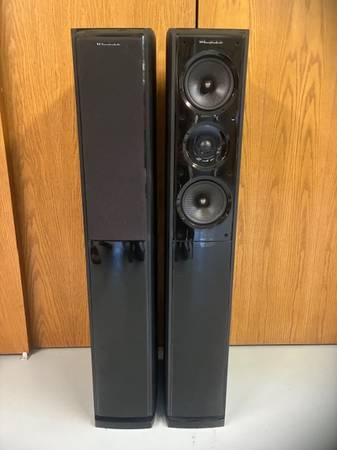
Revel Performa3 M106 (Bookshelf Speakers)
$1,099 · Lynnwood (Seattle)
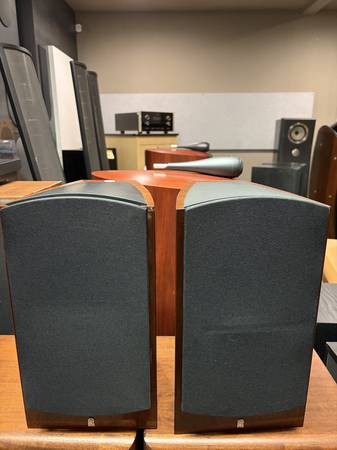
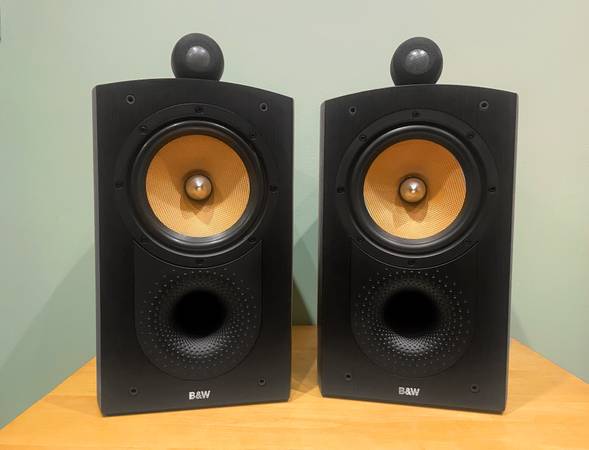
The Revel Performa3 M106 is a serious audiophile bookshelf from Harman’s flagship Revel line, featuring a 1″ ceramic dome tweeter and 6.5″ aluminum cone woofer tuned for reference-level accuracy. These would be the base of a solid desktop system, or even potentially as surrounds for a home theater.
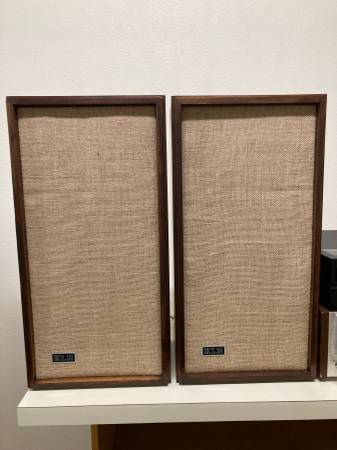
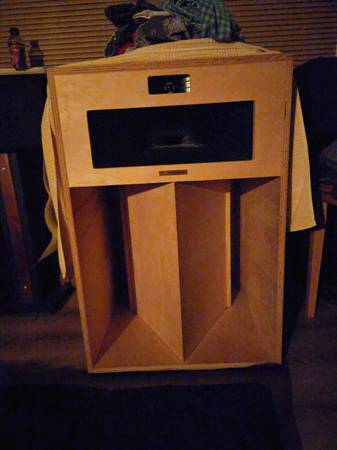
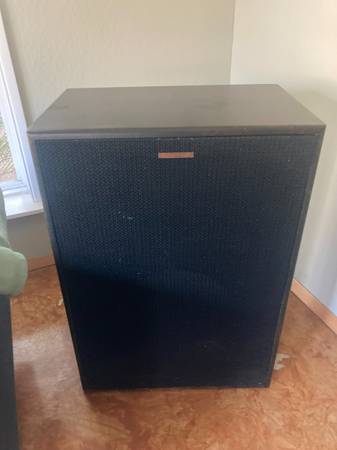
Klipsch Quartet Speakers Oak Color
$700 · Tacoma (Seattle)
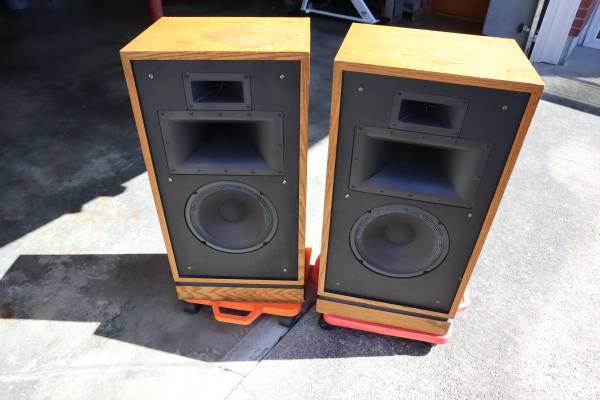
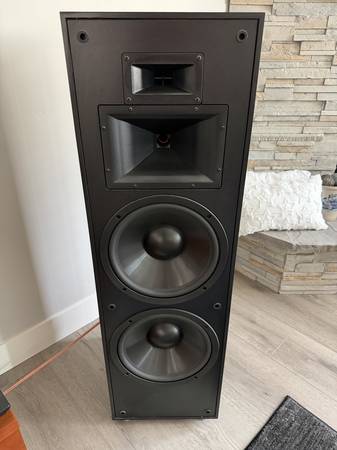
The Klipsch Quartet is a full-size Heritage-adjacent floor stander from the late 1980s, built on Klipsch’s classic horn-loaded philosophy for high efficiency and dynamic punch. At $700 in Tacoma these show normal cosmetic wear but are described as working well. I’d love to own a set of these myself.
Sonus Faber Venere 1.5 Speakers and Stands
$700 · Tacoma (Seattle)
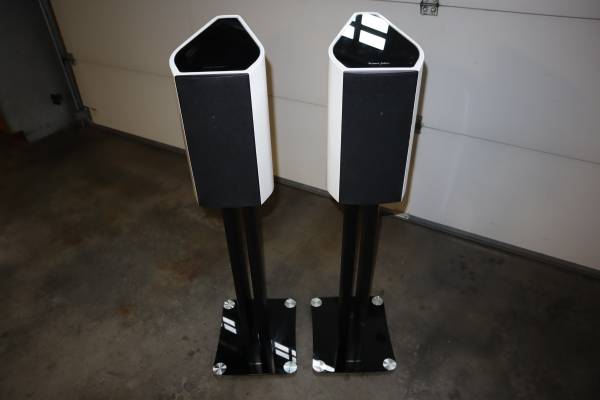
Sonus Faber’s Venere 1.5 is a slim two-way standmount from the Italian maker’s mid-tier Venere line, prized for its warm, musical presentation and refined cabinet work. This Tacoma pair comes with matching stands in excellent condition, they’re often beat up or missing for some reason.
Magnepan Speakers
$75 · Vancouver (Portland)
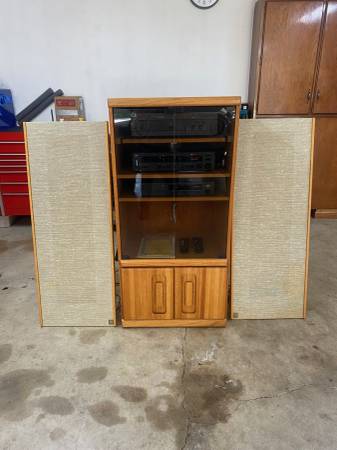
The Magnepan SMGA is a quasi-ribbon planar speaker from the early 1990s, offering the wide, seamless soundstage that Magnepan is famous for at a size that fits most rooms. This Vancouver pair is sold as a project — one panel has the common delamination issue — but for a capable restorer the price is right. A local stereo consignment shop near me has 3 or 4 pairs of these at any given time and they sound pretty good (if not with a ton of bass) but need a really big power amplifier to drive them properly.
KEF Floorstanding Speakers (103/4)
$350 · Lynnwood (Seattle)
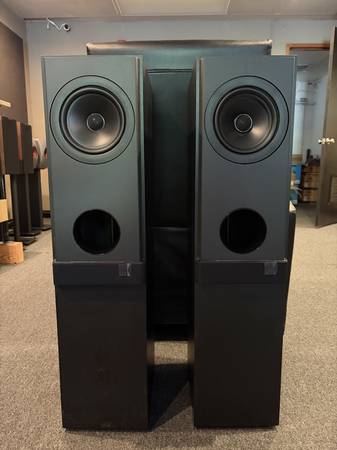
The KEF 103/4 is a respected floorstanding entry from KEF’s Reference Series of the mid-1980s, equipped with KEF’s B200 bass unit and T27 tweeter in a carefully tuned cabinet for smooth, wide-dispersion sound. This Lynnwood pair is a strong pickup for anyone wanting classic British hi-fi engineering at a fraction of its original price. I personally like KEF quite a bit and use their speakers if I do a resto-mod upgrade for a vintage radio because of the coaxial drivers. (You’re not doing that with a floorstasnding unit, though!)
KEF C40 Floorstanding Speakers
$150 · Lynnwood (Seattle)
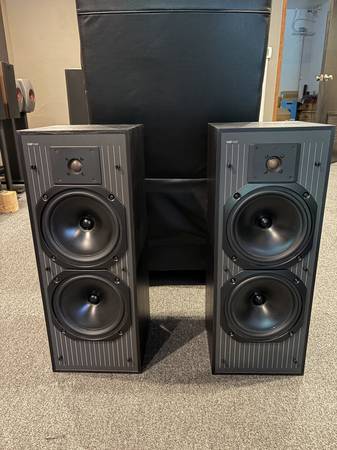
More KEF, these KEF C40 are a compact two-way bookshelf from KEF’s C Series, delivering the brand’s characteristically accurate midrange in a package suited to smaller rooms or desktop listening. Priced at $150 in Lynnwood, these represent genuine KEF quality at an accessible entry-level price.
Dahlquist M905 Speakers
$150 · Mountlake Terrace (Seattle)
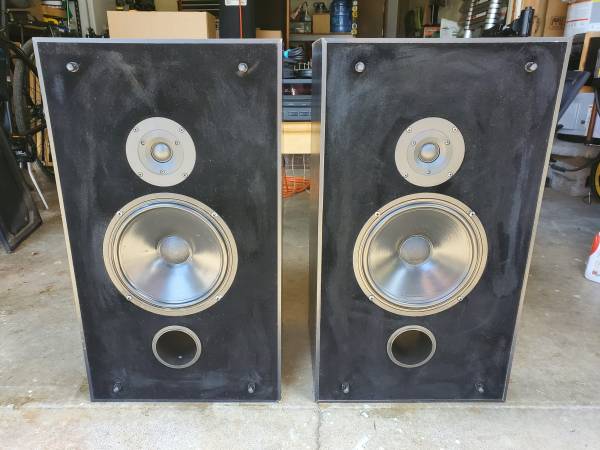
Dahlquist is a celebrated American speaker brand best known for the DQ-10 time-coherent design that defined audiophile listening in the 1970s; the M905 is a later bookshelf that carries that legacy of careful voicing and imaging. The seller in Mountlake Terrace is offering demos, which is always a good sign. This isn’t the big, flat, open-baffle one you usually see for sale but it looks interesting, especially with the metal? metalized? woofers.
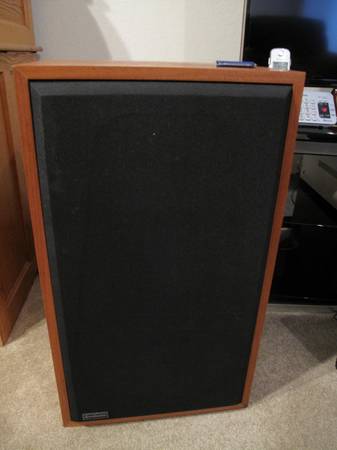
Vintage Kef Speakers
$250 · Albany (Corvallis)
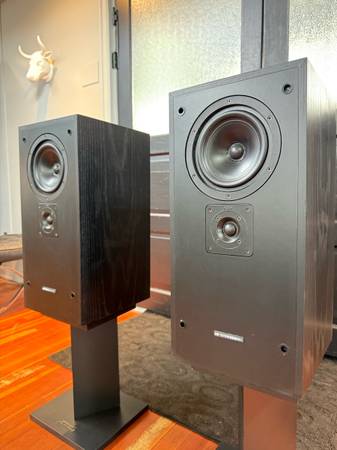
Lots of KEF today. The KEF Model 103/3 Reference is a sealed three-way loudspeaker from 1986 that originally retailed for $1,500 a pair — a genuinely serious box from KEF’s peak Reference period. This Albany pair is in unspecified condition but that’s a solid price at $250 and they look intact and set up to listen, so it’s probably worth it.
Vintage Sansui Stereo Collection – AU-717, TU-919, AU-317, Turntable, Speakers
$2,500 · Bonners ferry (Spokane)
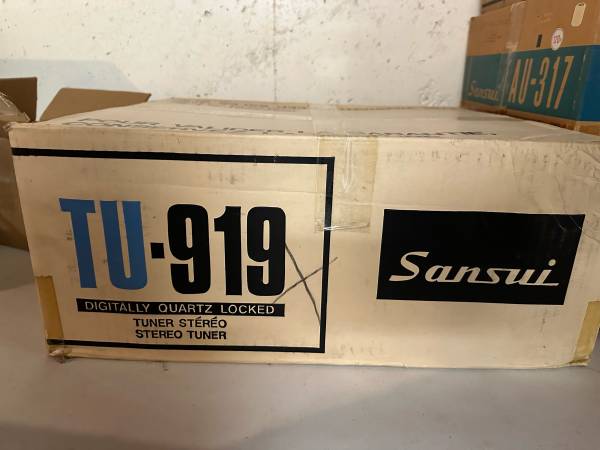
This is a rare single-owner collection of vintage Sansui gear: two integrated amplifiers (AU-717 and AU-317), the highly regarded TU-919 tuner, an FR-D3 turntable, an SE-5 equalizer, and speakers — all from a builder that defined the “Golden Age” of Japanese hi-fi. At $2,500 for the lot from Bonners Ferry, it’s the kind of collection that rarely surfaces intact. (Everything is certainly going to need restored, but this is a whole collection. I’d try and snag it for $1750-2000, personally.)
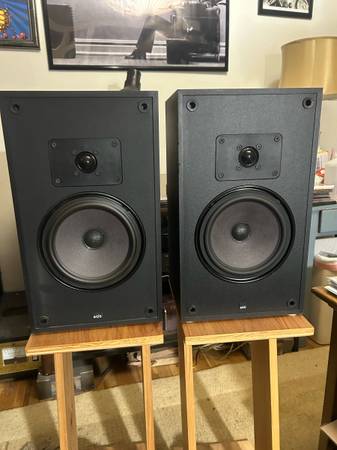
Infinity SM-85 Studio Monitor Bookshelf Speakers
$275 · Bothell West (Seattle)
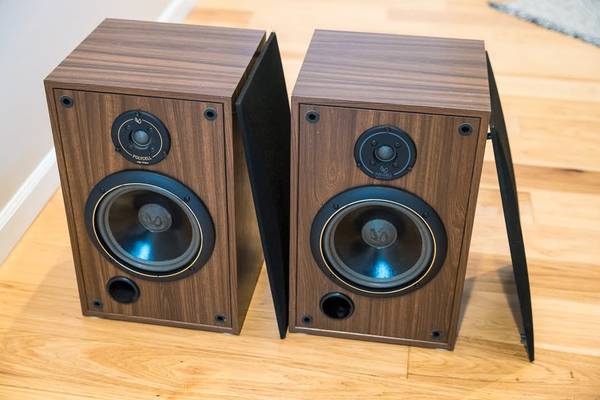
The Infinity SM-85 is a studio-monitor-grade bookshelf from the 1980s, built around Infinity’s Poly-Cell™ tweeter and featuring a notably high 98 dB sensitivity that makes it easy to drive. This Bothell West pair tests out well and at $275 is a sensible buy for anyone wanting analytical, high-efficiency monitoring. Overall, a good little speaker.
Micro Acoustics MA Pro-1 Speakers
$250 · Happy Valley (Portland)
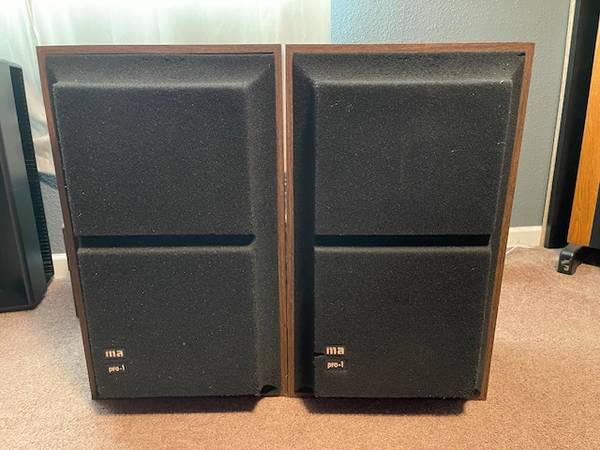
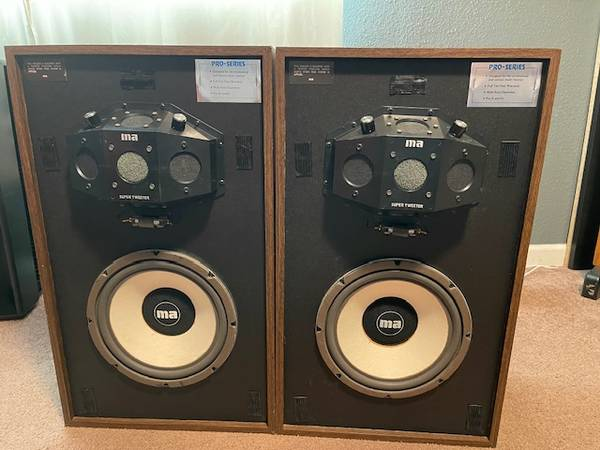
Micro Acoustics was a short-lived but innovative American speaker company whose electret-based tweeter array drew a patent lawsuit from Bose — making these speakers a genuine piece of hi-fi history. The MA Pro-1 is the top of the Pro Series line, and this Happy Valley pair are described as very rare and hard to find. Really unusual looking.
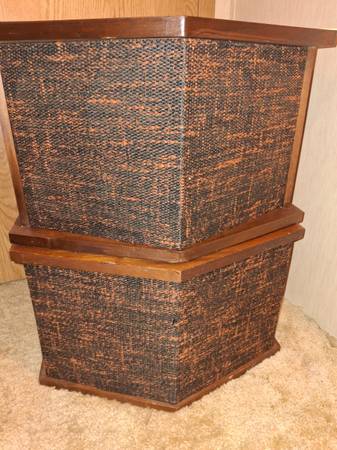
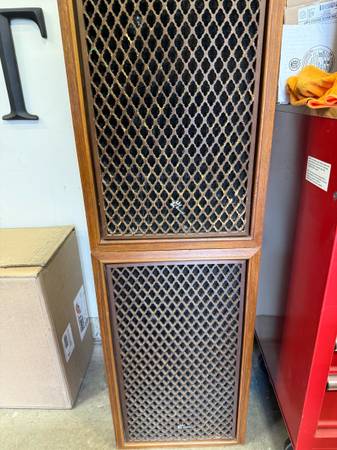
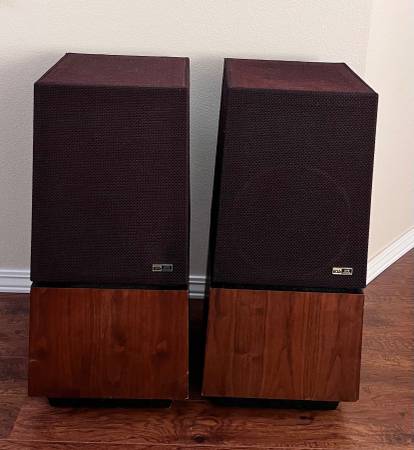
Sansui SP L700 Speakers
$450 · Port Townsend (Olympic)
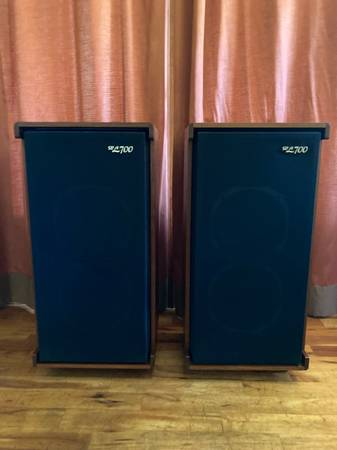
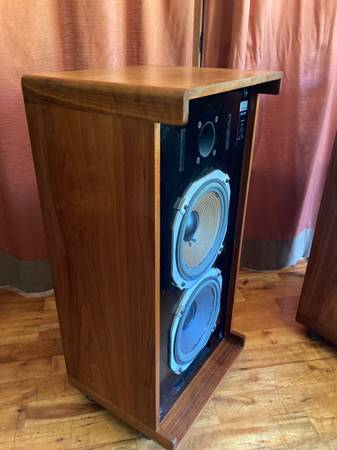
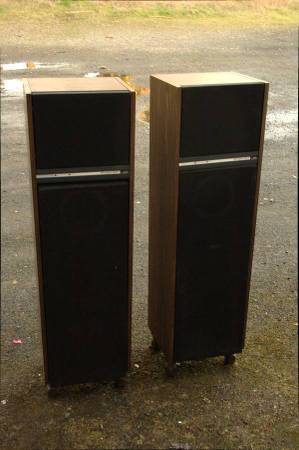
The Sansui SP-L700 (sold in Japan as the SP-G200) is considered one of Sansui’s finest speaker achievements, featuring furniture-quality cabinetry with a teak veneer and a four-driver array tuned for deep, musical bass. This Port Townsend pair is described as solidly built and in excellent shape — a genuinely uncommon find in the Pacific Northwest. If only it had the beautiful lattice grillework to go with it you find on the more recognizable Sansui models!





Reviewing the Gemtune APPJ PA1501A 6AD10 Stereo Tube Amplifier
I recently picked up an interesting little tube amp via a group buy on Massdrop, the Gemtune APPJ PA1501A stereo tube amplifier. Try saying that three times fast! It’s a cute little single-ended stereo tube amp using a pair of 6AD10 Compactron tubes which have two functional sections, one voltage amplifier pentode used for the amp’s input stage, and a beam power tetrode used for the amp’s output stage that’s fairly similar to a single-ended old school (no suffix) 6L6. The manufacturer suggests it’s good for 3.5W of output power, single-ended, per channel. And it looks good, too! Not bad for under $200.
The 6AD10 Compactrons used in this amp were originally used as integrated audio sections (detector/driver and output) in a number of televisions and combination units towards the very end of the tube era but not many other places, so while they’re not as common of an “odd tube” as something like a 5AQ5, etc. they’re readily available, and they don’t get talked up much for audio use other than in this amp (and rebranded versions thereof) and some sites about homebrewing with junkbox tubes. As such, NOS replacements can be had for as low as $5 if you want to try different brands of tubes and see how they change the sound.
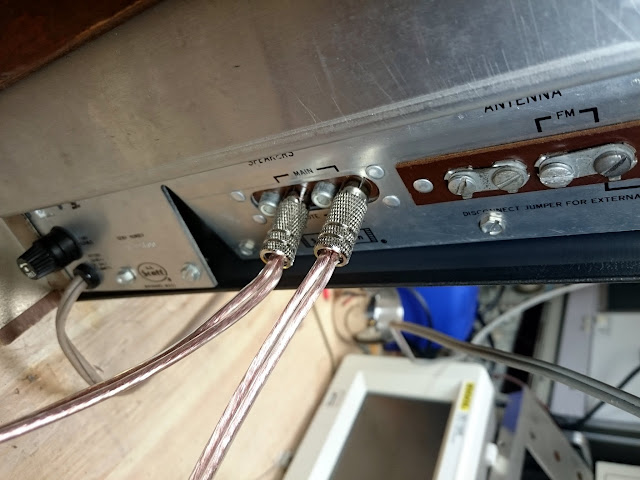
The amp is physically quite small, under 6″ cubed, and has a very minimalist design. Everything is in mid-matte silver with subtle labeling, also available in black. There’s a single volume control on the front sporting a machined metal knob that feels decently weighty, a pair of ceramic 12-pin Compactron sockets, and output transformers hidden inside shrouds with banana plug ports on the rear. The manufacturer names the output transformers as Japanese Z11-EI48 models which I assume is meant to signal quality, although there’s still no substitute for more iron in and output transformer no matter how carefully the laminations are stacked and windings are threaded.
There’s also the input RCA jacks, IEC power input, fuse, and switch. Very minimalist. The banana plug spacing is perfect to accommodate standard separate, or dual banana plug arrangements. With only one input (and a low power rating), this is really meant to be a single-source desktop amp driven from a DAC or high-end sound card.
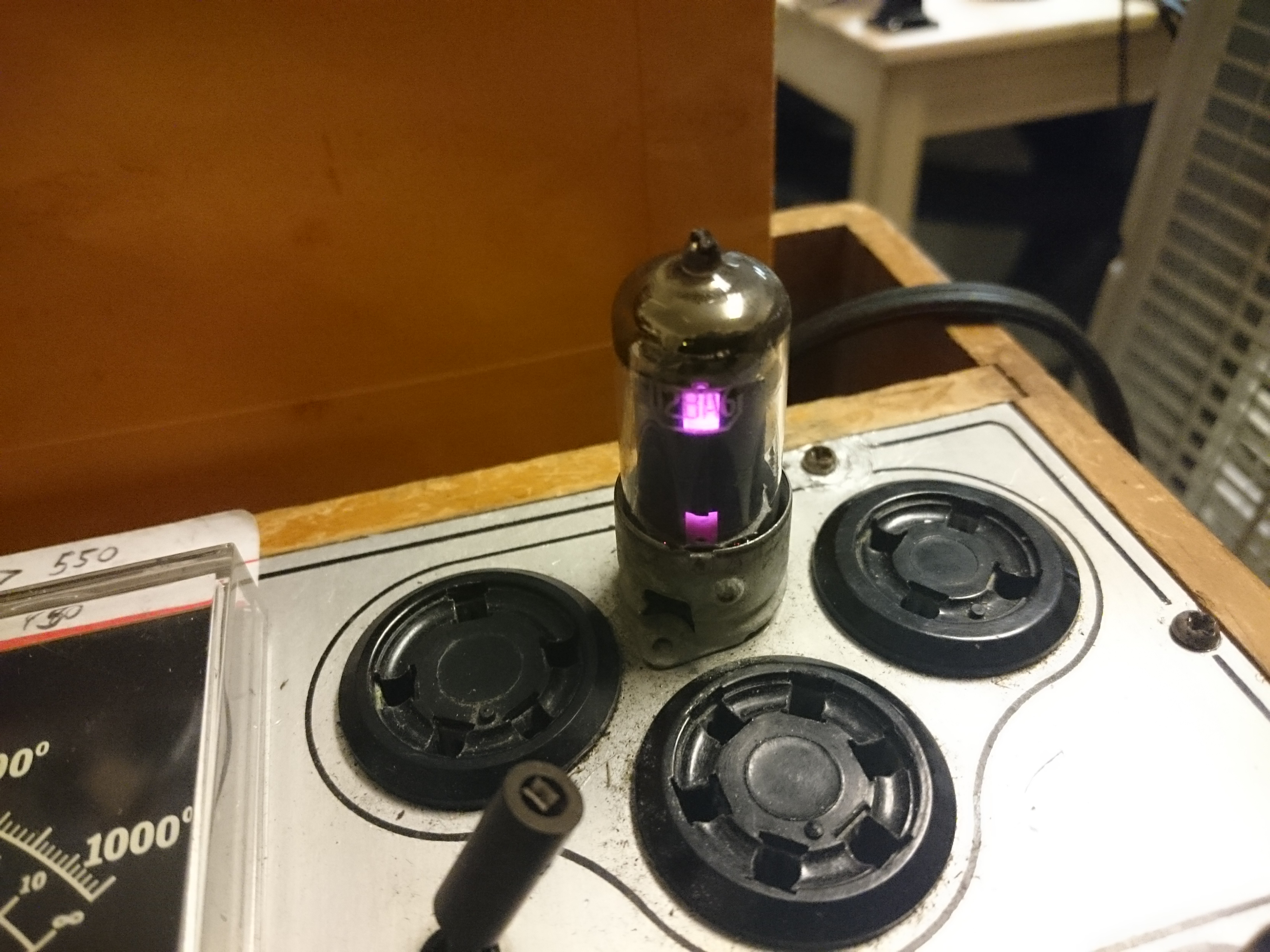
Glows nicely!
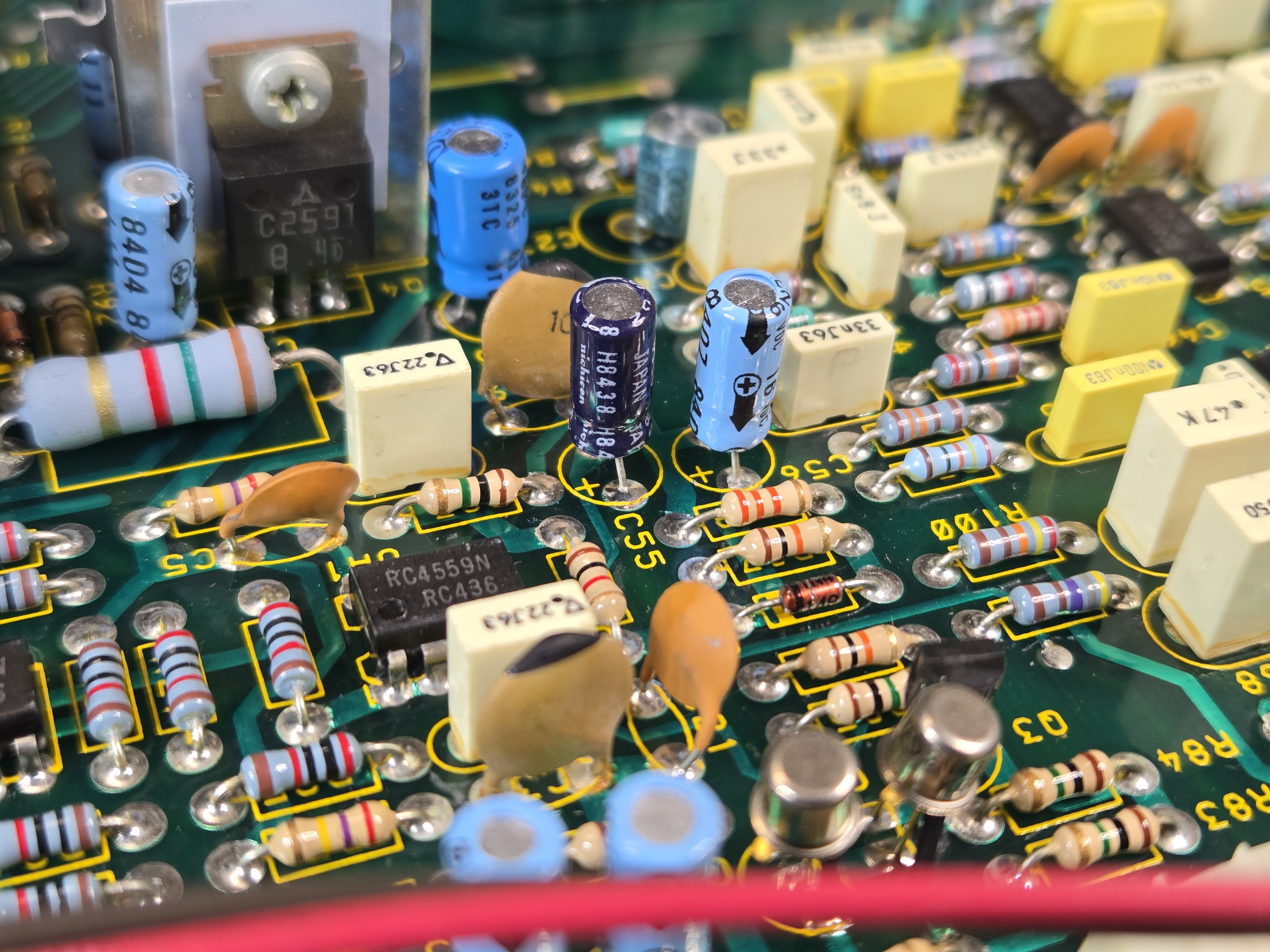
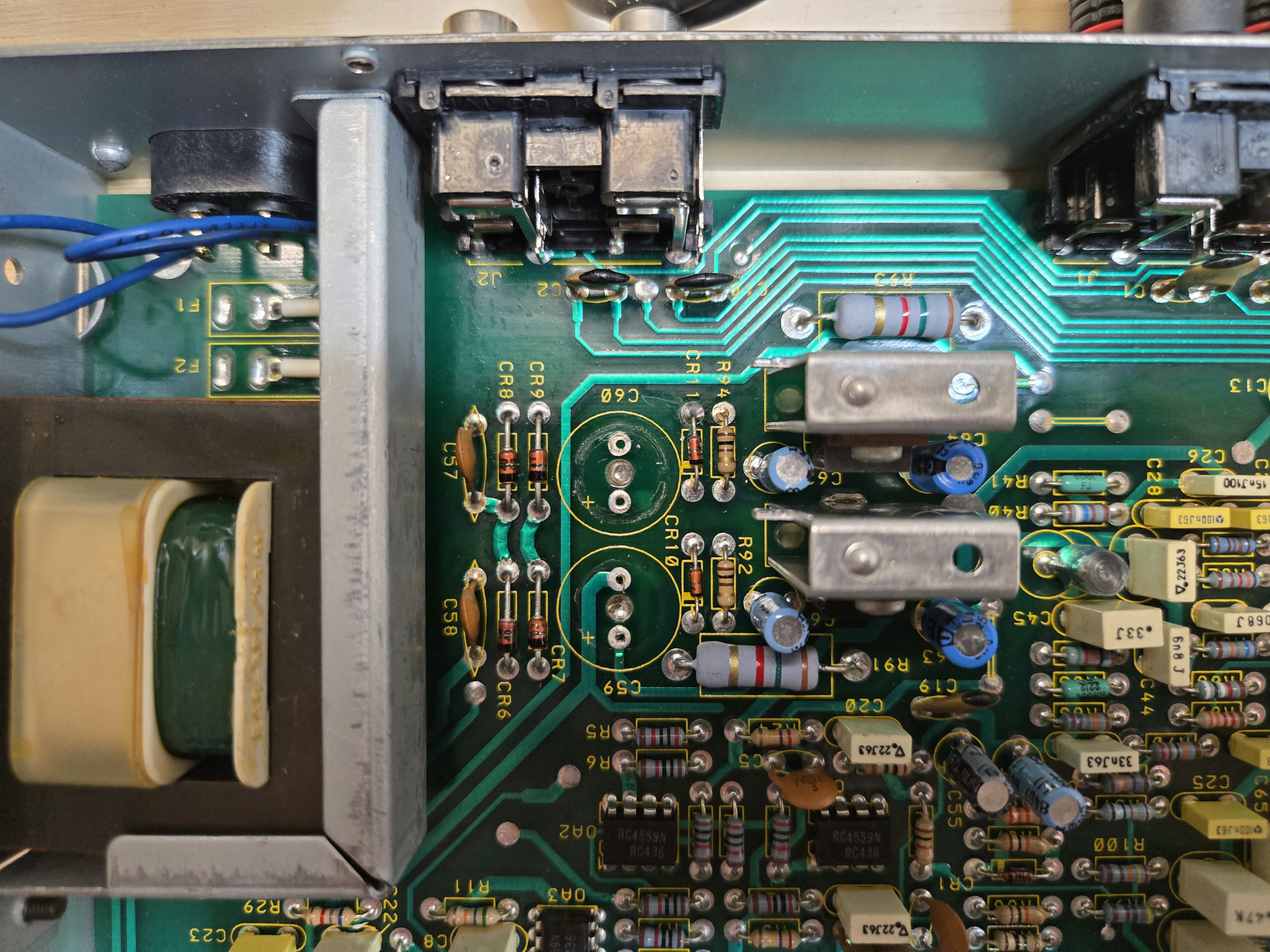
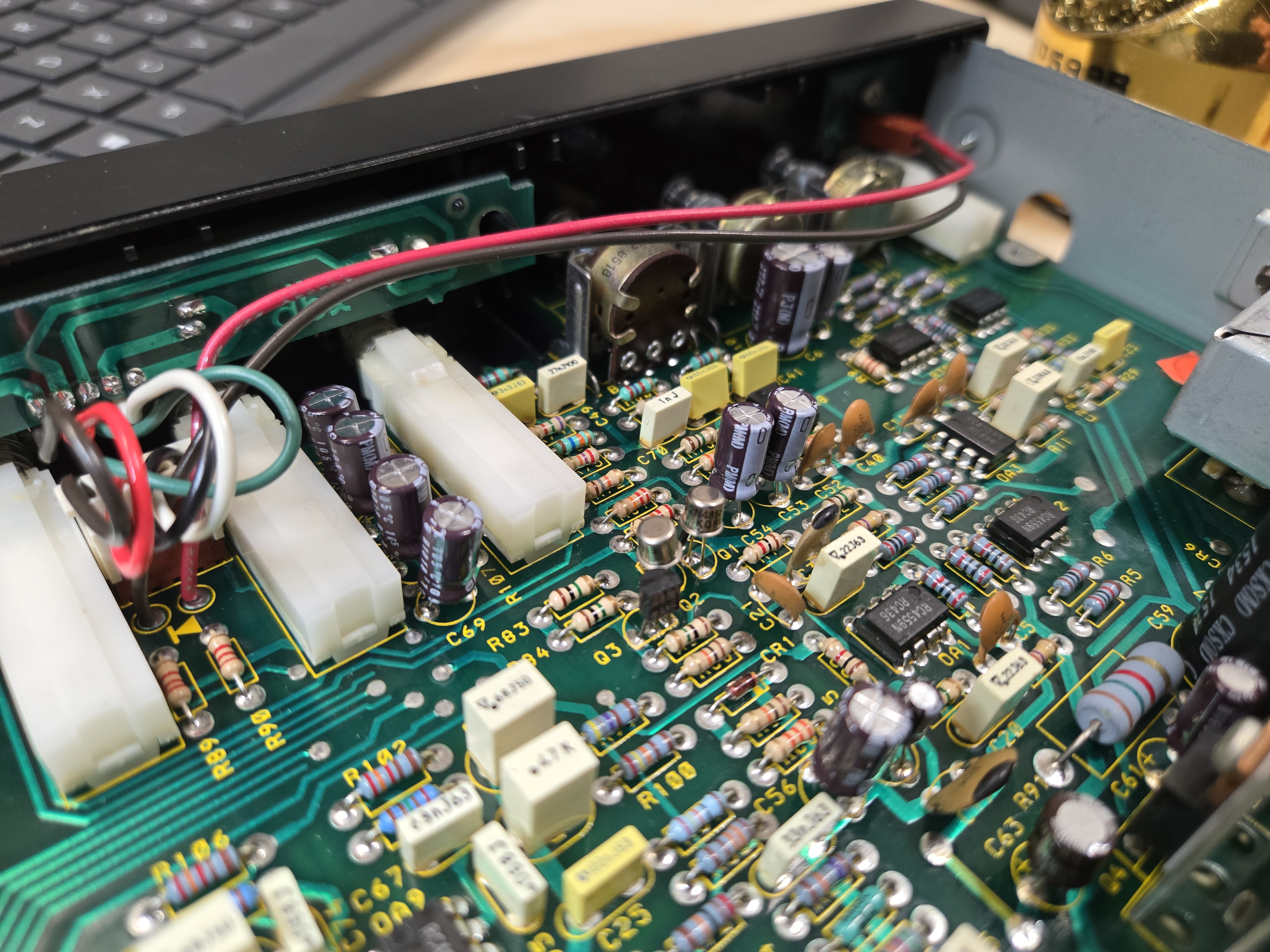
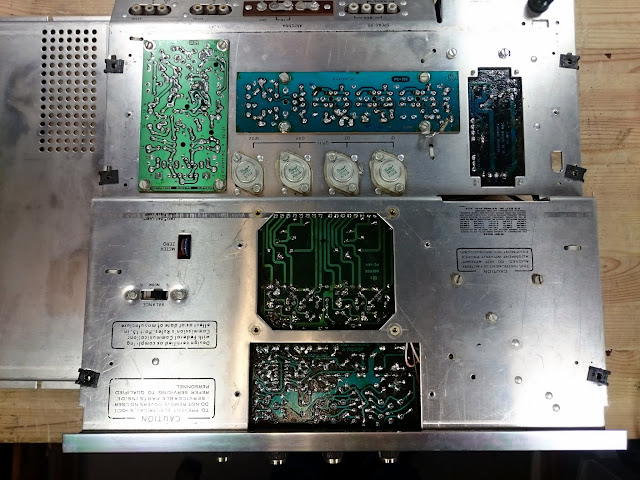
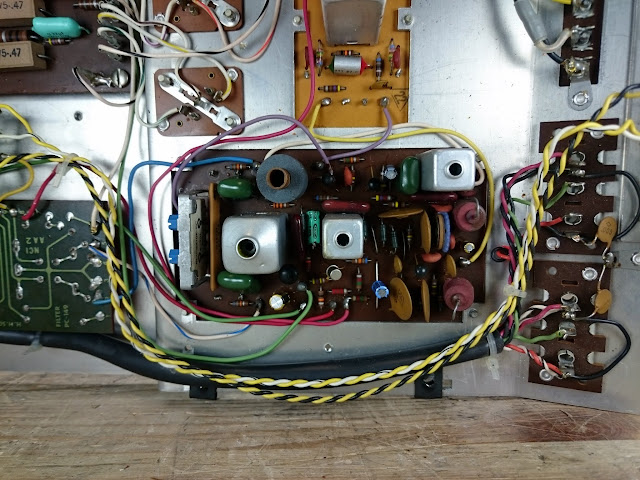
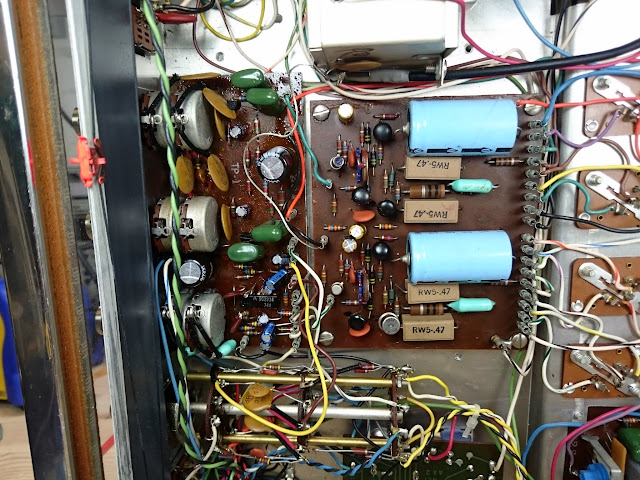
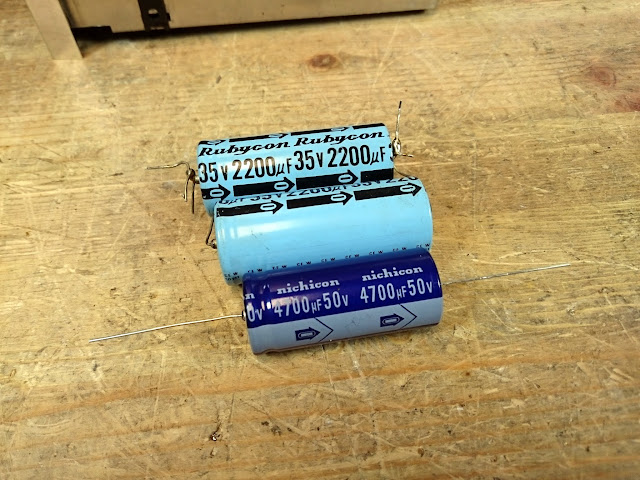
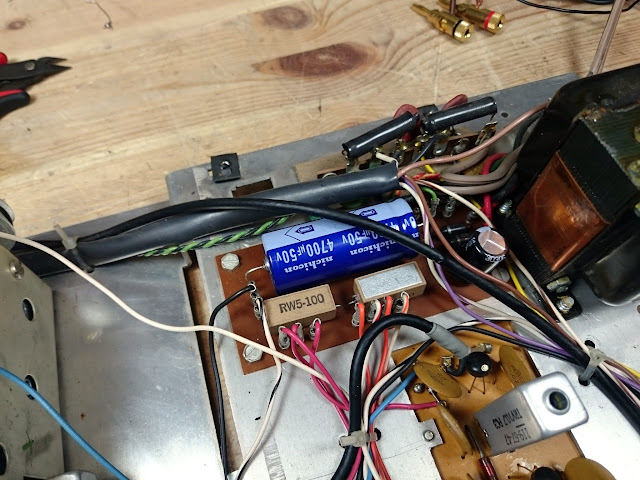
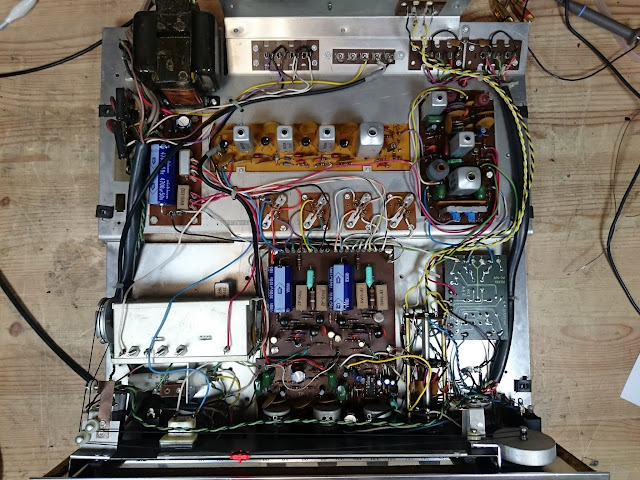
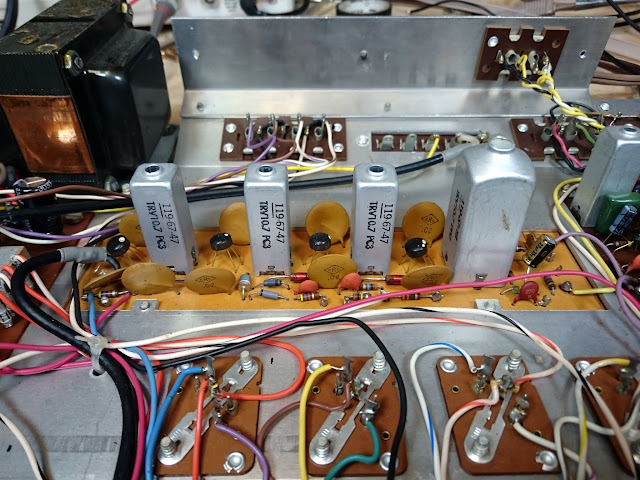
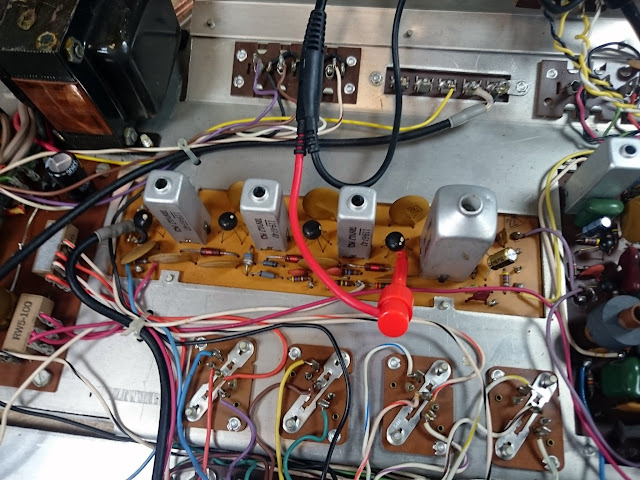
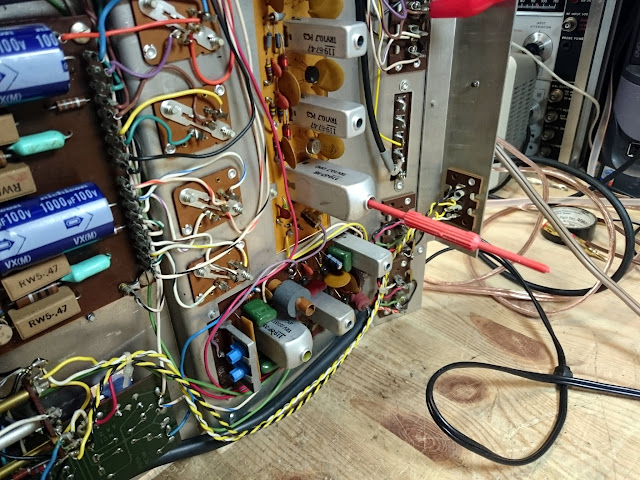
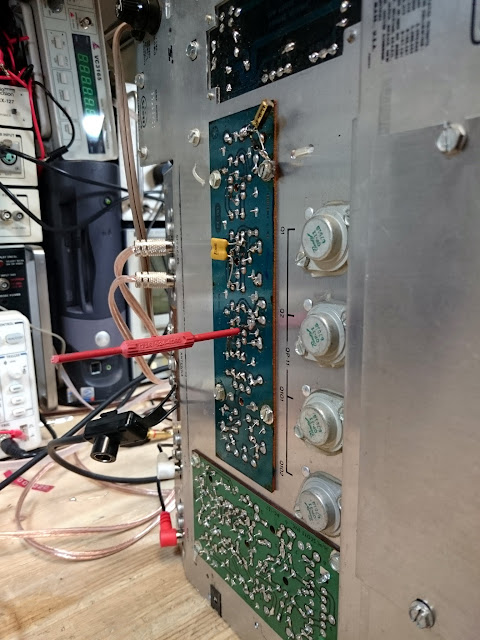
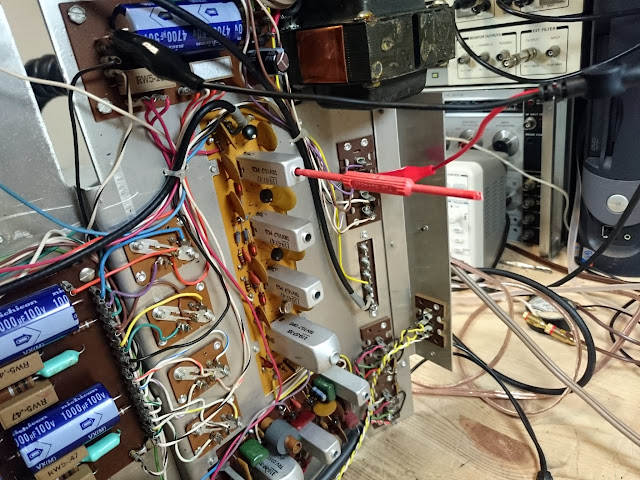
Inside, there’s a switching power supply and an assortment of Nichicon and Rubycon capacitors. There appears to be a solid-state stage ahead of the tubes based on the TO-220 transistors up near the volume control.
Lifting off the top, there’s a shield protecting the output transformers from picking up interference from the switching power supply located below them, and an assortment of passive components supporting the gain stage and power stage of the 6AD10 tubes. There are also a pair of LM431 “Adjustable Precision Zener Shunt Regulator” in an SOT-23 package to provide power regulation.
The specifications were given as follows:
Specifications:
Tube: 6AD10
Power Output: 3.5W+3.5W @ 8 ohms
Frequency Response: 30-40Khz (+-1db)
Input Sensitivity: 500mV
Signal-to-Noise Ratio: -80dB / 3.5W
Residual Noise < 0.5mV AC
Input AC Voltage: 100-250V AC
Power Consumption: 38W
Input Impedance: 10K ohms
Output Impedance: 8/6/4 ohms (Japan Z11-EI48*24 Output Transformers)
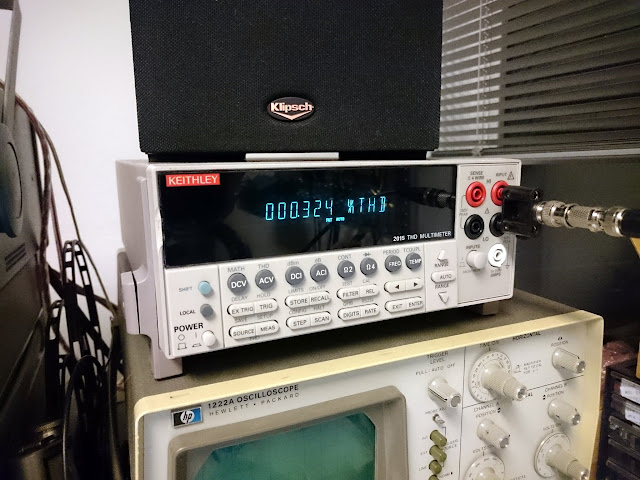
Time to see how it stacks up. I used a set of Klipsch RB-4 II desktop speakers, and a set of Ohm Acoustics Model D speakers for sound tests. For test equipment, I used the Keithley 2015P multimeter for some quick checks, the Sencore PA81 Stereo Power Amplifier Analyzer, and the Audio Precision System One. All tests – both listening and performance – were administered after the amplifier had a chance to break in by playing a 1 kHz tone into an 8 Ohm dummy load for approximately 8 hours, then sat overnight, and allowed to warm up for 15 minutes before testing to ensure everything has had a chance to unlimber after manufacturing and shipping.
I’d have to say that I enjoy the sound of the amp well enough. Both the Klipsch and Ohm speakers are quite efficient, and I never felt like it was really straining to give me the volume I wanted, without much distortion. Mid-bass through treble was well defined, but the bass was much more reserved than I expected it to be given the published specifications. The amp itself was very quiet even with the volume turned up at no signal, somewhat surprisingly. Running in Class A certainly helps.
The fit and finish was probably a 7/10. Some of the machined edges were a bit rough, and the machined knob manages to actually be *sharp* in one spot. The volume knob doesn’t rotate perfectly smoothly through it’s travel, it binds slightly in the middle. The transformer covers are a nice touch with the standard-spacing banana plug receptacles on the rear, but it’s also obvious they’re concealing small output transformers. With an output transformer, the more iron you have the better bass you’ll get. Small transformers limit the low-end power available but large, good quality transformers quickly get expensive.
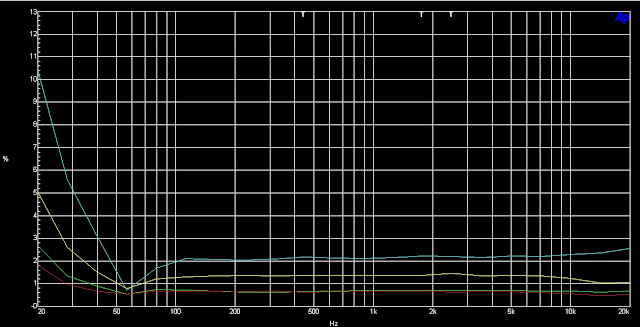
The electrical measurements did put the feeling about the bass into some context. First, the output transformers appear to be designed for an 8 ohm nominal load, as that’s where they delivered the greatest output power. 6- and 4-ohm connections delivered lower amounts of power respectively due to the mismatch but only moderately. At 4 Ohms, the apparent power reduction was around 10%. Both the power output sensitivity measurement, and the frequency response, were somewhat out of bounds however.
Power vs. Input Signal Level (1 kHz, 8 Ohms)
Power vs. Input Signal Level (1 kHz, 4 Ohms)
Gemtune proposed 3.5W into 8 Ohms with 500 mV sensitivity, in other words, with the volume control turned to maximum applying a 500 mV signal to the input jacks will cause the amplifier to deliver 3.5W into an 8 Ohm load. As shown on the “Sensitivity Into 8 Ohms” my example of the amplifier fell somewhat short of this goal, delivering only 2W at that input level. It took about 1.5V at the input terminals for 3.5W output.
Into 4 Ohms, the amp fared even worse making about 1.7W with 500 mV, rising to 3W at 2V. At those power levels, I’d be worried about damaging something if operated that way long-term. The kink in the sensitivity charts occurs about 700 mV and gives about 3W into 8 ohms or 2.7W into 4 Ohms, above that it tapers off as the output tubes are being pushed to their maximum and more input signal can’t drive them any harder. I wouldn’t recommend driving it harder than 700 mV at full signal, which caps this amp’s effective power to just shy of 3W into an 8 Ohm load and a little lower into a 4 Ohm set of speakers. Due to individual differences in the tubes, the power output starts to diverge at the extremes of the chart. More markedly at 8 Ohms than 4, interestingly enough, likely due to the lower overall power output at 4 Ohms.
Frequency response, 10 Hz – 100 kHz, into 8 Ohm load. 0 dB @ 1 kHz.
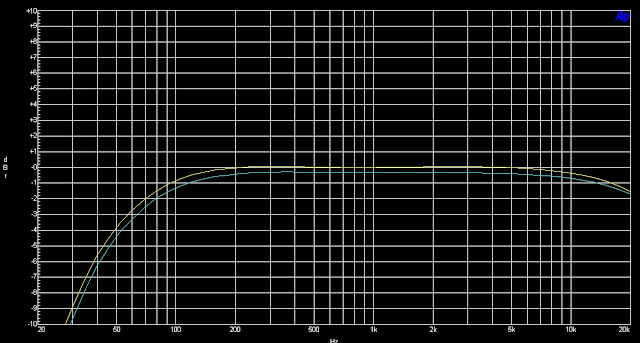
Frequency response, 20 Hz – 20 kHz, into 8 Ohm load. 0 dB @ 1 kHz.
The frequency response was given as 30 Hz – 40 kHz +/- 1 dB. I’ll give them “close enough” on the high end (-1 dB just shy of 40 kHz) since that’s well beyond human hearing anyway. The low end was a bit disappointing, though, with the published roll-off being more optimistic than reality proved. The channels diverged by 0.5 dB on the low end, although as the channel separation is less than the flatness specification (0.5 dB < 1 dB) this isn’t something where I’ll give them a negative mark. However, the -1 dB point was located at about 46/55 Hz; at 30 Hz it’s down to -2.3/-2.65 dB and at 20 HZ it’s down to -4/-4.55. This definitely explains why I felt the bass was a bit lacking.
That’s not to say I think the amp is a bad performer. I think it’s a good, starter tube amp. It’s not trying to be anything more than what it is, which is a slightly novel desktop tube amplifier with a sleek and minimalist design that will fit in nearly anywhere. The 6AD10 tube is an interesting touch, and they’re available pretty inexpensively.
Overall, this is a 3/5. It’s value matches the price paid for it, and this type of performance is what you get for that price. A great splurge for a person just getting into audio in high school or college, someone who wants a small tube amp for their desk and wouldn’t mind having someone ask about it, someone who likes oddball tube amps, or who just wants something a little different.
[ Amazon ] [ Massdrop ]
Share this: